


- Afhalen na 1 uur in een winkel met voorraad
- Gratis thuislevering in België vanaf € 30
- Ruim aanbod met 7 miljoen producten
- Afhalen na 1 uur in een winkel met voorraad
- Gratis thuislevering in België vanaf € 30
- Ruim aanbod met 7 miljoen producten





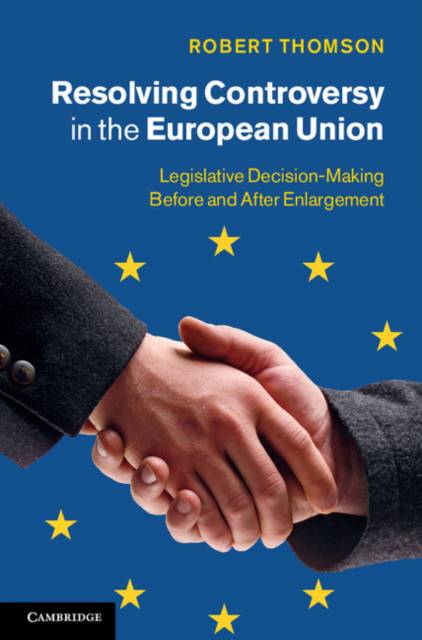
Resolving Controversy in the European Union
Legislative Decision-Making Before and After Enlargement
Robert Thomson
Hardcover | Engels
€ 185,95
+ 371 punten
Uitvoering
Omschrijving
How does the EU resolve controversy when making laws that affect citizens? How has the EU been affected by the recent enlargements that brought its membership to a diverse group of twenty-seven countries? This book answers these questions with analyses of the EU's legislative system that include the roles played by the European Commission, European Parliament and member states' national governments in the Council of Ministers. Robert Thomson examines more than 300 controversial issues in the EU from the past decade and describes many cases of controversial decision-making as well as rigorous comparative analyses. The analyses test competing expectations regarding key aspects of the political system, including the policy demands made by different institutions and member states, the distributions of power among the institutions and member states, and the contents of decision outcomes. These analyses are also highly relevant to the EU's democratic deficit and various reform proposals.
Specificaties
Betrokkenen
- Auteur(s):
- Uitgeverij:
Inhoud
- Aantal bladzijden:
- 338
- Taal:
- Engels
Eigenschappen
- Productcode (EAN):
- 9781107013766
- Verschijningsdatum:
- 15/09/2011
- Uitvoering:
- Hardcover
- Formaat:
- Genaaid
- Afmetingen:
- 152 mm x 229 mm
- Gewicht:
- 616 g


Alleen bij Standaard Boekhandel
+ 371 punten op je klantenkaart van Standaard Boekhandel

Beoordelingen
We publiceren alleen reviews die voldoen aan de voorwaarden voor reviews. Bekijk onze voorwaarden voor reviews.