


- Afhalen na 1 uur in een winkel met voorraad
- Gratis thuislevering in België vanaf € 30
- Ruim aanbod met 7 miljoen producten
- Afhalen na 1 uur in een winkel met voorraad
- Gratis thuislevering in België vanaf € 30
- Ruim aanbod met 7 miljoen producten





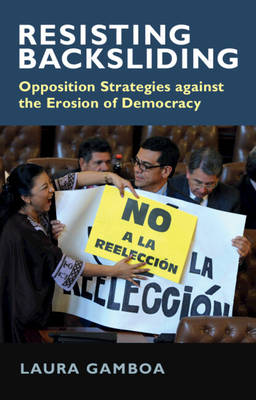
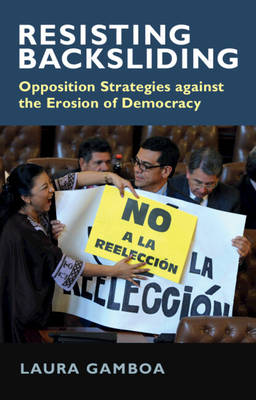
Resisting Backsliding
Opposition Strategies Against the Erosion of Democracy
Laura Gamboa
Hardcover | Engels
€ 168,95
+ 337 punten
Uitvoering
Omschrijving
In the past two decades, democratically elected executives across the world have used their popularity to push for legislation that, over time, destroys systems of checks and balances, hinders free and fair elections, and undermines political rights and civil liberties. Using and abusing institutions and institutional reform, some executives have transformed their countries' democracies into competitive authoritarian regimes. Others, however, have failed to erode democracy. What explains these different outcomes? Resisting Backsliding answers this question. With a focus on the cases of Hugo Chávez in Venezuela and Alvaro Uribe in Colombia, the book shows that the strategies and goals of the opposition are key to understanding why some executives successfully erode democracy and others do not. By highlighting the role of the opposition, this book emphasizes the importance of agency for understanding democratic backsliding and shows that even weak oppositions can defeat strong potential autocrats.
Specificaties
Betrokkenen
- Auteur(s):
- Uitgeverij:
Inhoud
- Aantal bladzijden:
- 324
- Taal:
- Engels
Eigenschappen
- Productcode (EAN):
- 9781009164061
- Verschijningsdatum:
- 3/11/2022
- Uitvoering:
- Hardcover
- Formaat:
- Genaaid
- Afmetingen:
- 152 mm x 229 mm
- Gewicht:
- 644 g


Alleen bij Standaard Boekhandel
+ 337 punten op je klantenkaart van Standaard Boekhandel
Cadeau

AANGERADEN


Beoordelingen
We publiceren alleen reviews die voldoen aan de voorwaarden voor reviews. Bekijk onze voorwaarden voor reviews.