


- Afhalen na 1 uur in een winkel met voorraad
- Gratis thuislevering in België vanaf € 30
- Ruim aanbod met 7 miljoen producten
- Afhalen na 1 uur in een winkel met voorraad
- Gratis thuislevering in België vanaf € 30
- Ruim aanbod met 7 miljoen producten





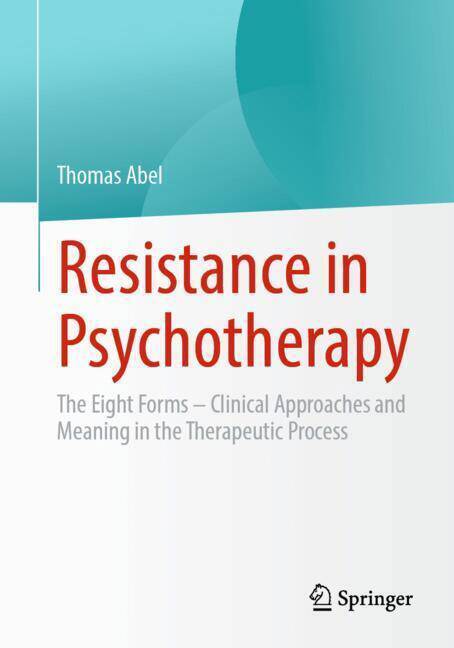
Resistance in Psychotherapy
The Eight Forms - Clinical Approaches and Meaning in the Therapeutic Process
Thomas Abel
Paperback | Engels
€ 97,45
+ 194 punten
Omschrijving
Patients enter psychotherapy because they suffer from distressing symptoms or relationship problems and want to change something about them. At the same time, change is frightening: on the one hand, it calls into question an often painstakingly achieved psychological balance. On the other hand, the many abysses that patients must overcome on their developmental path still lie shrouded in fog. That is why they oppose the therapeutic process of change with various forms of resistance from the very beginning. This volume explores how this phenomenon is understood across different therapeutic approaches and what it means in clinical work. The eight forms of resistance identified in psychoanalysis are presented in detail using illustrative case vignettes. The book highlights the importance of the psychodynamic principle that resistance must be addressed before the underlying content can be explored and shows why all forms of therapy risk failure when it is not recognized and worked through.
Specificaties
Betrokkenen
- Auteur(s):
- Uitgeverij:
Inhoud
- Aantal bladzijden:
- 188
- Taal:
- Engels
Eigenschappen
- Productcode (EAN):
- 9783662726624
- Verschijningsdatum:
- 2/03/2026
- Uitvoering:
- Paperback
- Formaat:
- Trade paperback (VS)
- Afmetingen:
- 170 mm x 244 mm
- Gewicht:
- 308 g


Alleen bij Standaard Boekhandel
+ 194 punten op je klantenkaart van Standaard Boekhandel
Cadeau

AANGERADEN


Beoordelingen
We publiceren alleen reviews die voldoen aan de voorwaarden voor reviews. Bekijk onze voorwaarden voor reviews.