


- Afhalen na 1 uur in een winkel met voorraad
- Gratis thuislevering in België vanaf € 30
- Ruim aanbod met 7 miljoen producten
- Afhalen na 1 uur in een winkel met voorraad
- Gratis thuislevering in België vanaf € 30
- Ruim aanbod met 7 miljoen producten





€ 88,45
+ 176 punten
Omschrijving
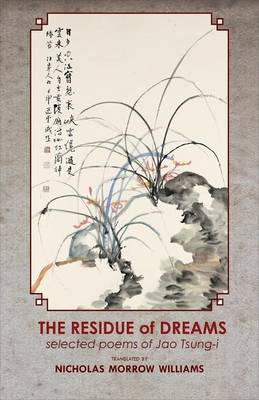
The Residue of Dreams is the first English-language publication of the classical-style poems of Jao Tsung-i (b. 1917), a prominent artist-calligrapher, scholar-poet, and polymath living in Hong Kong. Jao's poems in various traditional forms reflect the tumultuous history of twentieth-century China, but also demonstrate the enduring resonance of its classical culture. The Residue of Dreams contains a broad-ranging selection of Jao's poems covering topics from the Second World War and his travels in Southeast Asia, to Nietzsche and the scribes of medieval Dunhuang. The poems give a vivid impression of one of the most erudite minds of our time, and show a new side of contemporary Chinese literature that has mostly been overlooked in English-language publications. All poems are presented both in the original Chinese text and in English translation, accompanied by scholarly notes with identification of many of Jao's allusions and cultural references. The introduction places Jao's poetry in the context of modern Chinese literary studies and elucidates its cultural background for general readers.
Specificaties
Betrokkenen
- Auteur(s):
- Vertaler(s):
- Uitgeverij:
Inhoud
- Aantal bladzijden:
- 250
- Taal:
- Engels
- Reeks:
Eigenschappen
- Productcode (EAN):
- 9781939161628
- Verschijningsdatum:
- 31/07/2016
- Uitvoering:
- Hardcover
- Formaat:
- Genaaid
- Afmetingen:
- 162 mm x 235 mm
- Gewicht:
- 485 g


Alleen bij Standaard Boekhandel
+ 176 punten op je klantenkaart van Standaard Boekhandel
Cadeau

AANGERADEN


Beoordelingen
We publiceren alleen reviews die voldoen aan de voorwaarden voor reviews. Bekijk onze voorwaarden voor reviews.