


- Afhalen na 1 uur in een winkel met voorraad
- Gratis thuislevering in België vanaf € 30
- Ruim aanbod met 7 miljoen producten
- Afhalen na 1 uur in een winkel met voorraad
- Gratis thuislevering in België vanaf € 30
- Ruim aanbod met 7 miljoen producten





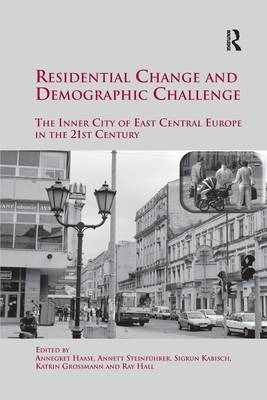
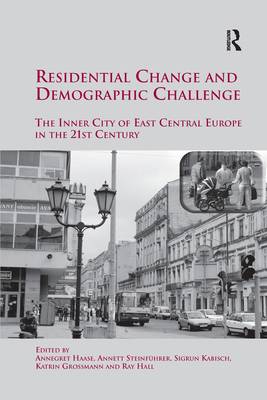
Residential Change and Demographic Challenge
The Inner City of East Central Europe in the 21st Century
Annett Steinführer, Sigrun Kabisch
Paperback | Engels
€ 111,45
+ 222 punten
Uitvoering
Omschrijving
Using selected second-order cities in Poland (Gdansk and LÃ3dz) and the Czech Republic (Brno and Ostrava) by way of illustration, this book examines the nexus between urban development and demographic change in East and Central European inner cities, particularly in residential areas. In doing so, the volume provides a framework for linking urban and demographic research, while also exploring parallels and differences in comparison with broader European patterns.
Specificaties
Betrokkenen
- Auteur(s):
- Uitgeverij:
Inhoud
- Aantal bladzijden:
- 376
- Taal:
- Engels
Eigenschappen
- Productcode (EAN):
- 9781138254435
- Verschijningsdatum:
- 11/11/2016
- Uitvoering:
- Paperback
- Formaat:
- Trade paperback (VS)
- Afmetingen:
- 156 mm x 234 mm
- Gewicht:
- 526 g


Alleen bij Standaard Boekhandel
+ 222 punten op je klantenkaart van Standaard Boekhandel
CADEAU

AANGERADEN


Beoordelingen
We publiceren alleen reviews die voldoen aan de voorwaarden voor reviews. Bekijk onze voorwaarden voor reviews.