


- Afhalen na 1 uur in een winkel met voorraad
- Gratis thuislevering in België vanaf € 30
- Ruim aanbod met 7 miljoen producten
- Afhalen na 1 uur in een winkel met voorraad
- Gratis thuislevering in België vanaf € 30
- Ruim aanbod met 7 miljoen producten





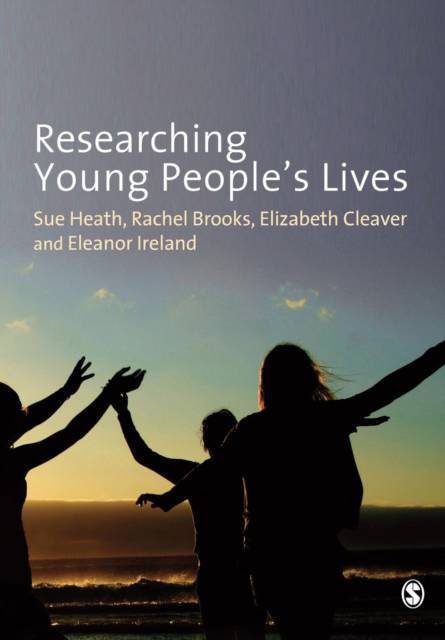
Researching Young People′s Lives
Sue Heath, Rachel Brooks, Elizabeth Cleaver, Eleanor Ireland
Paperback | Engels
€ 63,95
+ 127 punten
Omschrijving
Researching Young People′s Lives provides an overview of some of the key methodological challenges facing youth researchers and an introduction to the broad repertoire of methods used in youth-orientated research.
The book is split into two sections. In the first half of the book, the authors consider the broad methodological and contextual concerns of relevance to the design and conduct of youth research, including ethical issues, the importance of context, and the rise of participatory approaches to youth research. The second part of the book focuses on the use of specific research methods in the conduct of youth research, ranging from surveys and secondary analysis through to interviewing, ethnography, visual methods, and the use of the internet in youth research. Throughout the book, the emphasis is on research in practice, and examples are drawn from recent youth research projects from a wide range of disciplines and substantive areas, and from a range of both UK and non-UK contexts.
This is an ideal introduction to the field for novice researchers, in particular students studying and researching in the broad area of youth studies. It will also appeal to practitioners engaged in evaluation of service provision to young people, and to established youth researchers who might wish to explore the potential of using a different set of methods to those with which they are already familiar.
The book is split into two sections. In the first half of the book, the authors consider the broad methodological and contextual concerns of relevance to the design and conduct of youth research, including ethical issues, the importance of context, and the rise of participatory approaches to youth research. The second part of the book focuses on the use of specific research methods in the conduct of youth research, ranging from surveys and secondary analysis through to interviewing, ethnography, visual methods, and the use of the internet in youth research. Throughout the book, the emphasis is on research in practice, and examples are drawn from recent youth research projects from a wide range of disciplines and substantive areas, and from a range of both UK and non-UK contexts.
This is an ideal introduction to the field for novice researchers, in particular students studying and researching in the broad area of youth studies. It will also appeal to practitioners engaged in evaluation of service provision to young people, and to established youth researchers who might wish to explore the potential of using a different set of methods to those with which they are already familiar.
Specificaties
Betrokkenen
- Auteur(s):
- Uitgeverij:
Inhoud
- Aantal bladzijden:
- 224
- Taal:
- Engels
Eigenschappen
- Productcode (EAN):
- 9781412910569
- Verschijningsdatum:
- 1/04/2009
- Uitvoering:
- Paperback
- Formaat:
- Trade paperback (VS)
- Afmetingen:
- 171 mm x 241 mm
- Gewicht:
- 390 g


Alleen bij Standaard Boekhandel
+ 127 punten op je klantenkaart van Standaard Boekhandel
Cadeau

AANGERADEN


Beoordelingen
We publiceren alleen reviews die voldoen aan de voorwaarden voor reviews. Bekijk onze voorwaarden voor reviews.