


- Afhalen na 1 uur in een winkel met voorraad
- Gratis thuislevering in België vanaf € 30
- Ruim aanbod met 7 miljoen producten
- Afhalen na 1 uur in een winkel met voorraad
- Gratis thuislevering in België vanaf € 30
- Ruim aanbod met 7 miljoen producten





€ 228,95
+ 457 punten
Uitvoering
Omschrijving
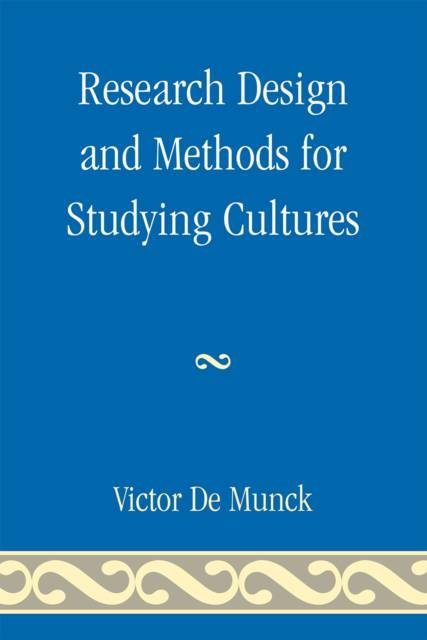
This is a practical guidebook for conducting field research on cultural issues. The first third of the book describes how one constructs a research design. The rest of the book describes different methods that the author used during his own NSF sponsored cross-cultural research on romantic love in Russia, Lithuania, and the U.S. The methods described are: freelists, pile or Q sorts questionnaires, consensus analysis, interviews, process analysis, and participant observation. Participant observation is intentionally left to the end, to emphasize that it is the most difficult of all methods and also to show that participant observations is a more powerful tool when preceded by more structured and systematic methods of data collection. The strengths and weaknesses of these methods are discussed as are the 'pitfalls' that occur when a research design is implemented in the field. The book is useful for anyone who is preparing to conduct fieldwork on socio- cultural issues.
Specificaties
Betrokkenen
- Auteur(s):
- Uitgeverij:
Inhoud
- Aantal bladzijden:
- 240
- Taal:
- Engels
Eigenschappen
- Productcode (EAN):
- 9780759111431
- Verschijningsdatum:
- 16/06/2009
- Uitvoering:
- Hardcover
- Formaat:
- Genaaid
- Afmetingen:
- 156 mm x 234 mm
- Gewicht:
- 512 g


Alleen bij Standaard Boekhandel
+ 457 punten op je klantenkaart van Standaard Boekhandel
Cadeau

AANGERADEN


Beoordelingen
We publiceren alleen reviews die voldoen aan de voorwaarden voor reviews. Bekijk onze voorwaarden voor reviews.