


- Afhalen na 1 uur in een winkel met voorraad
- Gratis thuislevering in België vanaf € 30
- Ruim aanbod met 7 miljoen producten
- Afhalen na 1 uur in een winkel met voorraad
- Gratis thuislevering in België vanaf € 30
- Ruim aanbod met 7 miljoen producten





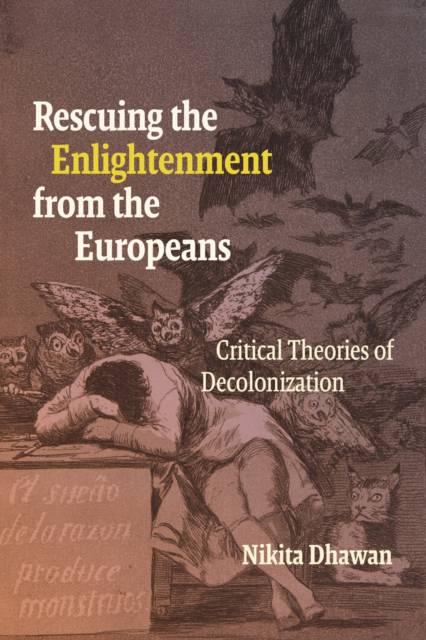
Rescuing the Enlightenment from the Europeans
Critical Theories of Decolonization
Nikita Dhawan
Paperback | Engels
€ 42,95
+ 85 punten
Uitvoering
Omschrijving
In Rescuing the Enlightenment from the Europeans, Nikita Dhawan puts the critical project of decolonization into conversation with the Enlightenment. She explores the ethical-political challenges faced by postcolonial thought, which must be articulated using the very language of Enlightenment discourses on human rights, democracy, international law, sovereignty, and justice--even as these norms are subjects of postcolonial critique. Bridging postcolonial and Holocaust studies while also highlighting differences from decolonial approaches, she engages with thinkers ranging from Kant to the Frankfurt school to defend them against accusations of normative nihilism, antisemitism, and epistemic servitude to Europe. Dhawan argues that criticizing the Enlightenment and its legacies does not necessarily entail rejecting them, nor does engaging with Enlightenment principles mean endorsing them unconditionally. Instead, she makes a case for rescuing the best aspects of the Enlightenment in order to further the critical project of decolonization.
Specificaties
Betrokkenen
- Auteur(s):
- Uitgeverij:
Inhoud
- Aantal bladzijden:
- 382
- Taal:
- Engels
Eigenschappen
- Productcode (EAN):
- 9781478032939
- Verschijningsdatum:
- 3/02/2026
- Uitvoering:
- Paperback
- Formaat:
- Trade paperback (VS)
- Afmetingen:
- 152 mm x 229 mm
- Gewicht:
- 512 g


Alleen bij Standaard Boekhandel
+ 85 punten op je klantenkaart van Standaard Boekhandel
CADEAU

AANGERADEN


Beoordelingen
We publiceren alleen reviews die voldoen aan de voorwaarden voor reviews. Bekijk onze voorwaarden voor reviews.