


- Afhalen na 1 uur in een winkel met voorraad
- Gratis thuislevering in België vanaf € 30
- Ruim aanbod met 7 miljoen producten
- Afhalen na 1 uur in een winkel met voorraad
- Gratis thuislevering in België vanaf € 30
- Ruim aanbod met 7 miljoen producten





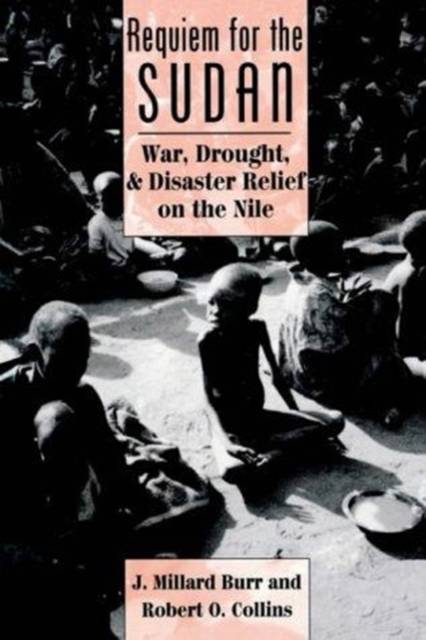
Requiem For The Sudan
War, Drought, And Disaster Relief On The Nile
Robert O Collins, J Millard Burr
Paperback | Engels
€ 88,95
+ 177 punten
Uitvoering
Omschrijving
After a decade of uneasy peace, the historic conflict between the Northern Sudanese, who identify with their Middle Eastern neighbors, and the Southern Sudanese, who are of African heritage, erupted into violent conflict in 1983. This ferocious civil war, with its Arab militias and widespread use of automatic weapons, has devastated the populace. Nature has added to the miseries of war, bringing drought and famine to the already battered victims of violence. Although this regional calamity remains largely unknown to the outside world, the death toll among the Southern Sudanese far exceeds that in both Somalia or Bosnia. Over a million people have either perished or been displaced.This chilling account of the ravages of drought and civil war is based on a wealth of documents?never made public?from Sudanese government sources, private and foreign governmental aid agencies, research groups, international media, and other organizations involved in famine relief efforts. The authors graphically recount how the attempts of the international agencies and humanitarian organzations to provide food and medical relief have been thwarted by bureaucratic infighting, corruption, greed, and ineptitude.This rich narrative illustrates with great clarity the convoluted relationship that relief agencies had with the Sudanese government as they tried to negotiate the means of survival for the area's desperate population. It is a sad tale of the tragic human consequences of the failure of conflict resolution, of organizational mismanagement, and of a government hostile toward its own people.
Specificaties
Betrokkenen
- Auteur(s):
- Uitgeverij:
Inhoud
- Aantal bladzijden:
- 408
- Taal:
- Engels
Eigenschappen
- Productcode (EAN):
- 9780813321219
- Verschijningsdatum:
- 16/11/1994
- Uitvoering:
- Paperback
- Formaat:
- Trade paperback (VS)
- Afmetingen:
- 156 mm x 229 mm
- Gewicht:
- 607 g



Alleen bij Standaard Boekhandel
+ 177 punten op je klantenkaart van Standaard Boekhandel
Cadeau

AANGERADEN


Beoordelingen
We publiceren alleen reviews die voldoen aan de voorwaarden voor reviews. Bekijk onze voorwaarden voor reviews.