


- Afhalen na 1 uur in een winkel met voorraad
- Gratis thuislevering in België vanaf € 30
- Ruim aanbod met 7 miljoen producten
- Afhalen na 1 uur in een winkel met voorraad
- Gratis thuislevering in België vanaf € 30
- Ruim aanbod met 7 miljoen producten





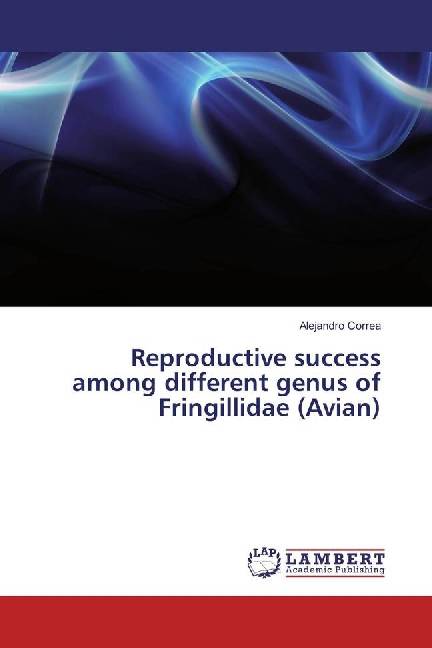
Reproductive success among different genus of Fringillidae (Avian)
Alejandro Correa
Paperback | Engels
€ 35,45
+ 70 punten
Omschrijving
Here I describe the reproductive success ex-situ between two species of different genera Carduelis and Serinus. As part of a sequence of iterated-backcrossing, we bred a male Serinus canaria domestica with two females F1 hybrids descendents of species of Carduelis uropygialis (Carduelis genera) and S.c.domestica (Serinus genera) parental, two genus of the Fringillidae family. We found out that there were phenotypical differences in the plumage between hybrid lineage F2 (backcrossing among S.c.domestica and F1) and their genders F1 females and S.c.domestica male. Morphological resemblances among thigh/tarsus allow us to affirm that the hybrids F2 are similar to S.c.domestica. On the other hand, an analysis of the flight patterns shows these to be more closely associated to the flight patterns of the F1 maternal hybrid. Peaks of similar frequencies and greater richness in melodies in the vocalizations of the hybrids males F2 (BC) suggest that it is more related to S.c.domestica. Furthermore, in the diet of the hybrid-lineage we found an unusual eating-behaviuor, a high predation and consumption of leaves and twigs from species of ornamental plants and of predation of insects.
Specificaties
Betrokkenen
- Auteur(s):
- Uitgeverij:
Inhoud
- Aantal bladzijden:
- 60
- Taal:
- Engels
Eigenschappen
- Productcode (EAN):
- 9783330319622
- Uitvoering:
- Paperback
- Afmetingen:
- 150 mm x 220 mm


Alleen bij Standaard Boekhandel
+ 70 punten op je klantenkaart van Standaard Boekhandel

Beoordelingen
We publiceren alleen reviews die voldoen aan de voorwaarden voor reviews. Bekijk onze voorwaarden voor reviews.