


- Afhalen na 1 uur in een winkel met voorraad
- Gratis thuislevering in België vanaf € 30
- Ruim aanbod met 7 miljoen producten
- Afhalen na 1 uur in een winkel met voorraad
- Gratis thuislevering in België vanaf € 30
- Ruim aanbod met 7 miljoen producten





Omschrijving
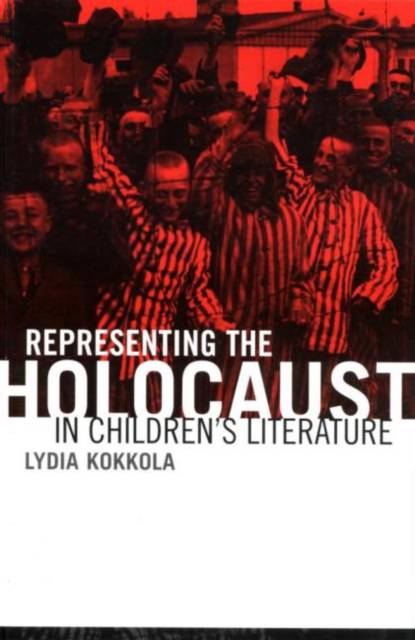
Writing about the Holocaust and writing for young readers evoke two quite separate sets of concerns which are not always mutually compatible. The first half of Representing the Holocaust focuses on how literary material can present historically verifiable material. The second half examines how such materials will be perceived by young readers; whether they will be able to determine any boundaries between fictionality and factuality, and what motivates young readers to keep reading. The work concludes by placing the study in the context of Holocaust education.
Specificaties
Betrokkenen
- Auteur(s):
- Uitgeverij:
Inhoud
- Aantal bladzijden:
- 218
- Taal:
- Engels
- Reeks:
Eigenschappen
- Productcode (EAN):
- 9780415937191
- Verschijningsdatum:
- 27/11/2002
- Uitvoering:
- Hardcover
- Formaat:
- Genaaid
- Afmetingen:
- 172 mm x 220 mm
- Gewicht:
- 476 g


Alleen bij Standaard Boekhandel
+ 641 punten op je klantenkaart van Standaard Boekhandel
AANGERADEN


Beoordelingen
We publiceren alleen reviews die voldoen aan de voorwaarden voor reviews. Bekijk onze voorwaarden voor reviews.