


- Afhalen na 1 uur in een winkel met voorraad
- Gratis thuislevering in België vanaf € 30
- Ruim aanbod met 7 miljoen producten
- Afhalen na 1 uur in een winkel met voorraad
- Gratis thuislevering in België vanaf € 30
- Ruim aanbod met 7 miljoen producten





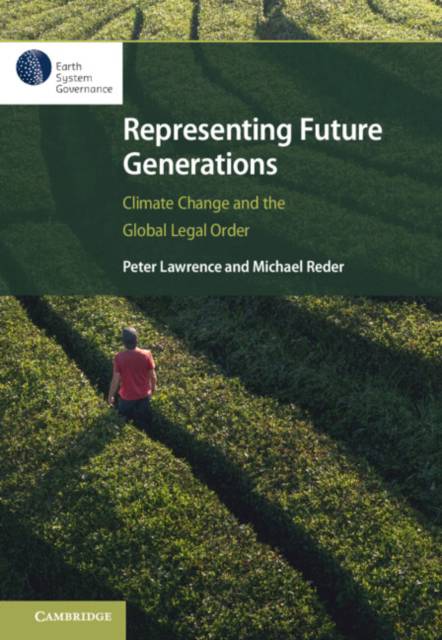
Representing Future Generations
Climate Change and the Global Legal Order
Peter Lawrence, Michael Reder
Hardcover | Engels
€ 216,45
+ 432 punten
Omschrijving
The impact of climate change on young people and future generations has become a key issue globally, and current international law-making processes insufficiently represent the interests of these groups. While ideally the interests of future generations would be mainstreamed, the authors argue that proxy-style mechanisms for representing future generations should urgently be pursued as a parallel strategy. This book analyses existing institutions in the UN which indirectly represent vulnerable groups and uses a novel combination of legal and philosophical methods based in the tradition of John Dewey's pragmatism and International Legal Realism. Chapters include case studies of climate change cases brought before international courts, tribunals and the UN envoy to demonstrate how representation of future generations can be implemented to bring about institutional reforms. Written in accessible language, it will make a useful reference for researchers, graduate students and policymakers in international environmental law, global environmental governance and environmental philosophy.
Specificaties
Betrokkenen
- Auteur(s):
- Uitgeverij:
Inhoud
- Aantal bladzijden:
- 250
- Taal:
- Engels
Eigenschappen
- Productcode (EAN):
- 9781009655866
- Verschijningsdatum:
- 9/10/2025
- Uitvoering:
- Hardcover
- Formaat:
- Genaaid
- Afmetingen:
- 170 mm x 244 mm
- Gewicht:
- 594 g


Alleen bij Standaard Boekhandel
+ 432 punten op je klantenkaart van Standaard Boekhandel
CADEAU

AANGERADEN


Beoordelingen
We publiceren alleen reviews die voldoen aan de voorwaarden voor reviews. Bekijk onze voorwaarden voor reviews.