


- Afhalen na 1 uur in een winkel met voorraad
- Gratis thuislevering in België vanaf € 30
- Ruim aanbod met 7 miljoen producten
- Afhalen na 1 uur in een winkel met voorraad
- Gratis thuislevering in België vanaf € 30
- Ruim aanbod met 7 miljoen producten





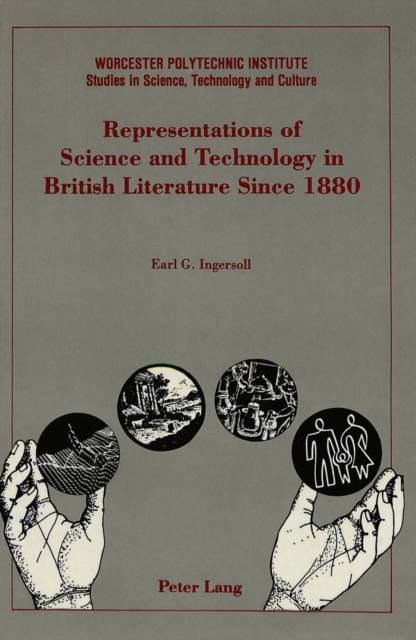
Representations of Science and Technology in British Literature Since 1880
Earl G Ingersoll
€ 64,45
+ 128 punten
Omschrijving
This important book explores representative works of literature as expressions of British culture's responses to science and technology. Although its center is the major novels of D.H. Lawrence, this study begins with the writings of Lawrence's forerunners and contemporaries - Hardy, Conrad, Shaw, Forster, Woolf - and examines the work of his literary heirs - Huxley, Orwell, Burgess, Golding - as well as other interpreters of Lawrence's legacy - Sillitoe, Shaffer, Lodge. In addition to the expected hostility, especially toward technology, these carefully selected works frequently reveal ambivalent and occasionally even positive responses to the «other» culture of science and technology in the past 100 years.
Specificaties
Betrokkenen
- Auteur(s):
- Uitgeverij:
Inhoud
- Aantal bladzijden:
- 320
- Taal:
- Engels
- Reeks:
- Reeksnummer:
- nr. 9
Eigenschappen
- Productcode (EAN):
- 9780820416809
- Verschijningsdatum:
- 1/08/1992
- Uitvoering:
- Hardcover
- Formaat:
- Genaaid
- Afmetingen:
- 236 mm x 162 mm
- Gewicht:
- 599 g


Alleen bij Standaard Boekhandel
+ 128 punten op je klantenkaart van Standaard Boekhandel
Cadeau

AANGERADEN


Beoordelingen
We publiceren alleen reviews die voldoen aan de voorwaarden voor reviews. Bekijk onze voorwaarden voor reviews.