



- Afhalen na 1 uur in een winkel met voorraad
- In januari gratis thuislevering in België
- Ruim aanbod met 7 miljoen producten
- Afhalen na 1 uur in een winkel met voorraad
- In januari gratis thuislevering in België
- Ruim aanbod met 7 miljoen producten





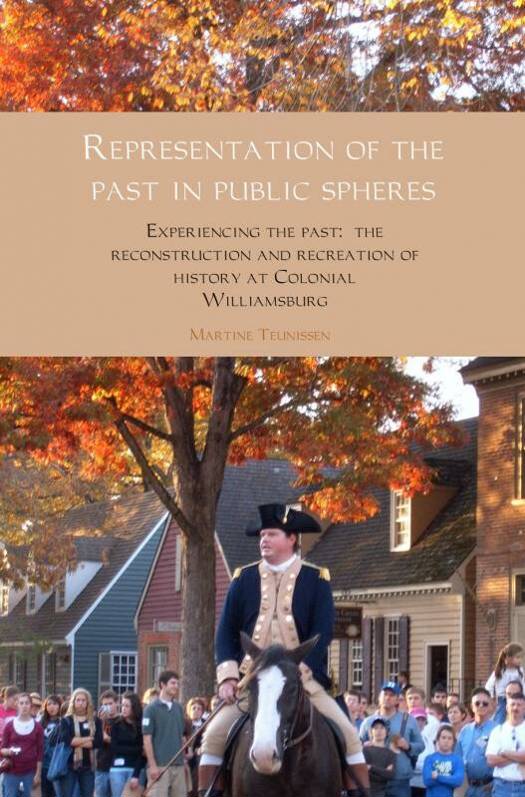
Representation of the past in public spheres
experiencing the past: the reconstruction and recreation of history at Colonial Williamsburg
Martine Teunissen
Paperback | Engels
€ 24,05
+ 48 punten
Omschrijving
This book presents a thorough investigation on how diverse elements of interest determine the representation of the past in an open air museum. In particular, a representation of 18th century America in Colonial Williamsburg is explored, with a special focus on their street theatre program “The Revolutionary City”. The author examines how the theatrical program is developed using historical themes and character interpretations to give the reader a ‘behind-the-scenes’ look at reconstructing history in the 21st century. After this, the author takes it a step further by investigating how the public responds to the performances. This work suggests that thoughtfully designed theatre programming can be a valuable tool to teach history, one that goes beyond the typical ‘ivory tower’ academic research lecture.
Specificaties
Betrokkenen
- Auteur(s):
- Uitgeverij:
Inhoud
- Aantal bladzijden:
- 308
- Taal:
- Engels
Eigenschappen
- Productcode (EAN):
- 9789402155754
- Verschijningsdatum:
- 24/11/2016
- Uitvoering:
- Paperback
- Afmetingen:
- 155 mm x 235 mm
- Gewicht:
- 526 g


Alleen bij Standaard Boekhandel
+ 48 punten op je klantenkaart van Standaard Boekhandel
Cadeau

AANGERADEN


Beoordelingen
We publiceren alleen reviews die voldoen aan de voorwaarden voor reviews. Bekijk onze voorwaarden voor reviews.