


- Afhalen na 1 uur in een winkel met voorraad
- Gratis thuislevering in België vanaf € 30
- Ruim aanbod met 7 miljoen producten
- Afhalen na 1 uur in een winkel met voorraad
- Gratis thuislevering in België vanaf € 30
- Ruim aanbod met 7 miljoen producten





€ 20,95
+ 41 punten
Omschrijving
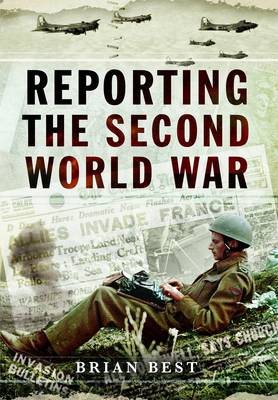
After a slow start, the Second World War produced an enormous number of war correspondents. Correspondents like Ernest Hemingway, John Dos Passos and George Orwell were all inspired to put their experiences on the printed page. Hemingway and his wife, Martha Gellhorn, went on to cover the D-Day Landings and the final victory in Germany.
The British Broadcasting Corporation was the first to use live broadcasts from the front. Encouraged by the RAFs favourable acceptance of Richard Dimblebys commentary from the flight deck of a Lancaster bomber over Berlin, which was piloted by the legendary Guy Gibson VC, the publics reaction was overwhelmingly positive.
Increasingly, war correspondents sought danger by flying bombing missions, parachuting with airborne forces and taking part in amphibious attacks against the enemy. Many were killed in plane crashes, by sniper fire and freak accidents. Several performed acts of bravery recognized with a Mentioned in Despatches and in some cases, a gallantry award. As a consequence, many were killed the United States alone has a memorial dedicated to more than eighty.
Although there was much purple prose reporting, there was also some excellent writing, which has stood the test of time. To name a few, such journalists as Alan Moorehead, Robert Sherrod, Richard Tregaskis, Osmar White, Martha Gellhorn and Chester Wilmot, who were all perceptive eyewitnesses to the worlds greatest war.
Reporting the Second World War is an in-depth account of the war, as seen through the newspapers of the day. It illustrates the momentous efforts of the correspondents and is a timely reminder of their dedication, skill and bravery in reporting the Second World War.
The British Broadcasting Corporation was the first to use live broadcasts from the front. Encouraged by the RAFs favourable acceptance of Richard Dimblebys commentary from the flight deck of a Lancaster bomber over Berlin, which was piloted by the legendary Guy Gibson VC, the publics reaction was overwhelmingly positive.
Increasingly, war correspondents sought danger by flying bombing missions, parachuting with airborne forces and taking part in amphibious attacks against the enemy. Many were killed in plane crashes, by sniper fire and freak accidents. Several performed acts of bravery recognized with a Mentioned in Despatches and in some cases, a gallantry award. As a consequence, many were killed the United States alone has a memorial dedicated to more than eighty.
Although there was much purple prose reporting, there was also some excellent writing, which has stood the test of time. To name a few, such journalists as Alan Moorehead, Robert Sherrod, Richard Tregaskis, Osmar White, Martha Gellhorn and Chester Wilmot, who were all perceptive eyewitnesses to the worlds greatest war.
Reporting the Second World War is an in-depth account of the war, as seen through the newspapers of the day. It illustrates the momentous efforts of the correspondents and is a timely reminder of their dedication, skill and bravery in reporting the Second World War.
Specificaties
Betrokkenen
- Auteur(s):
- Uitgeverij:
Inhoud
- Aantal bladzijden:
- 240
- Taal:
- Engels
Eigenschappen
- Productcode (EAN):
- 9781399078740
- Verschijningsdatum:
- 30/10/2026
- Uitvoering:
- Paperback
- Formaat:
- Trade paperback (VS)
- Afmetingen:
- 159 mm x 235 mm


Alleen bij Standaard Boekhandel
+ 41 punten op je klantenkaart van Standaard Boekhandel
Cadeau

AANGERADEN


Beoordelingen
We publiceren alleen reviews die voldoen aan de voorwaarden voor reviews. Bekijk onze voorwaarden voor reviews.