


- Afhalen na 1 uur in een winkel met voorraad
- Gratis thuislevering in België vanaf € 30
- Ruim aanbod met 7 miljoen producten
- Afhalen na 1 uur in een winkel met voorraad
- Gratis thuislevering in België vanaf € 30
- Ruim aanbod met 7 miljoen producten





€ 74,20
+ 148 punten
Omschrijving
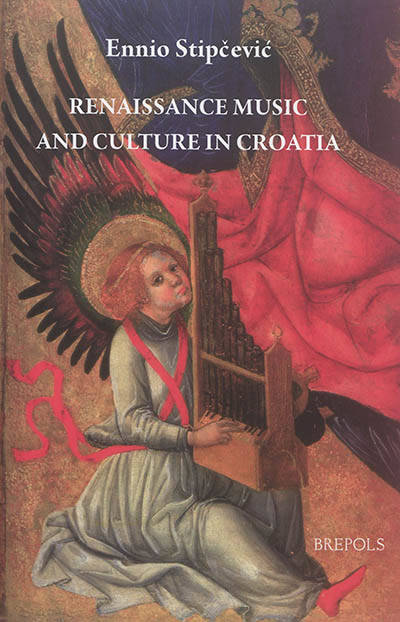
This book represents the first comprehensive effort dedicated to the interdisciplinary study of Renaissance music in Croatia. In spite of the grave political problems it faced during the fifteenth and sixteenth centuries, when the Ottoman Empire established its power in the northern and eastern regions, Croatia provided fertile soil for the establishment and flourishing of a vivid musical tradition. A closer look at key aspects of Croatian cultural and musical life reveal the extent to which those were influenced by foreign practices, primarily those coming from Italy. The performance of the Catholic liturgy in the native language, the popularity of Petrarchan poetry in Italian, with which some Dalmatian poets managed to attract the attention of contemporary Italian composers, and finally, the fact that the Croatian coastland was the extreme south-eastern point reached by the widely spreading Netherlandish Renaissance polyphony, all attest to the existence of an important pattern of cross-cultural exchange. Throughout the pages of this book, the dramatis personae comprise priests and heretics, noblemen and tradesmen, men of learning and illiterate fishermen, ladies from high society and courtesans, printers and scribes, patrons of the arts and their proteges - in other words, the variety of individuals taking part in, and shaping in different ways, local cultural and artistic events. This volume aims to identify, contextualize and present the uniqueness and depth of the Croatian musical heritage of the Renaissance to the wider international public.
Specificaties
Betrokkenen
- Auteur(s):
- Uitgeverij:
Inhoud
- Aantal bladzijden:
- 356
- Taal:
- Frans
- Reeks:
Eigenschappen
- Productcode (EAN):
- 9782503566412
- Verschijningsdatum:
- 1/12/2016
- Uitvoering:
- Paperback
- Formaat:
- Trade paperback (VS)
- Afmetingen:
- 200 mm x 290 mm
- Gewicht:
- 1315 g


Alleen bij Standaard Boekhandel
+ 148 punten op je klantenkaart van Standaard Boekhandel
Cadeau

AANGERADEN


Beoordelingen
We publiceren alleen reviews die voldoen aan de voorwaarden voor reviews. Bekijk onze voorwaarden voor reviews.