Standaard Boekhandel gebruikt cookies en gelijkaardige technologieën om de website goed te laten werken en je een betere surfervaring te bezorgen.
Hieronder kan je kiezen welke cookies je wilt inschakelen:
Technische en functionele cookies
Deze cookies zijn essentieel om de website goed te laten functioneren, en laten je toe om bijvoorbeeld in te loggen. Je kan deze cookies niet uitschakelen.
Analytische cookies
Deze cookies verzamelen anonieme informatie over het gebruik van onze website. Op die manier kunnen we de website beter afstemmen op de behoeften van de gebruikers.
Marketingcookies
Deze cookies delen je gedrag op onze website met externe partijen, zodat je op externe platformen relevantere advertenties van Standaard Boekhandel te zien krijgt.
Bedankt voor het vertrouwen het afgelopen jaar! Om jou te bedanken bieden we GRATIS verzending (in België) aan op alles gedurende de hele maand januari.
Afhalen na 1 uur in een winkel met voorraad
In januari gratis thuislevering in België
Ruim aanbod met 7 miljoen producten
Bedankt voor het vertrouwen het afgelopen jaar! Om jou te bedanken bieden we GRATIS verzending (in België) aan op alles gedurende de hele maand januari.
Je kan maximaal 250 producten tegelijk aan je winkelmandje toevoegen. Verwijdere enkele producten uit je winkelmandje, of splits je bestelling op in meerdere bestellingen.
In januari gratis thuislevering in België (via bpost)
Gratis levering in je Standaard Boekhandel
Omschrijving
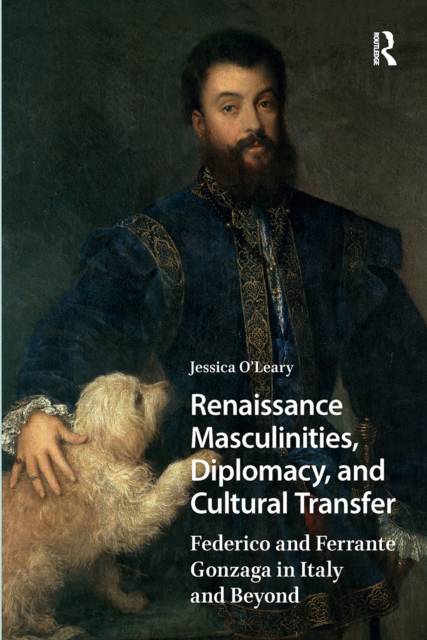
Federico and Ferrante Gonzaga came of age during a time of intense change in sixteenth-century Italy: The Italian Wars (1494-1559). The first and third-born sons of Isabella d'Este and Francesco Gonzaga spent their formative years at the courts of Francis I of France and Charles V of Spain, where, as effectively diplomatic hostages, they learned valuable lessons about the transnational social codes and rituals central to sixteenth-century political life. As adults, they applied these lessons in their political and martial collaborations with Charles V: supporting his dominions in Italy, facilitating his attempted colonisation of northern Africa, and praising his attacks on Muslim pirates in the Italian Mediterranean. This book uses epistolary, literary, and material sources to argue that the boyhood and adult experiences of Federico and Ferrante Gonzaga are illustrative of wider strategies adopted by elite Italians to respond to conflict and crisis in a global age.