


- Afhalen na 1 uur in een winkel met voorraad
- Gratis thuislevering in België vanaf € 30
- Ruim aanbod met 7 miljoen producten
- Afhalen na 1 uur in een winkel met voorraad
- Gratis thuislevering in België vanaf € 30
- Ruim aanbod met 7 miljoen producten





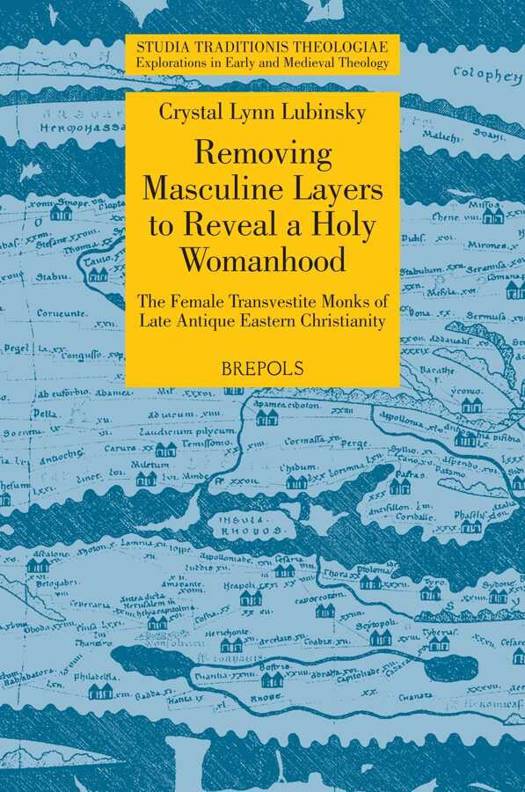
Removing Masculine Layers to Reveal a Holy Womanhood: The Female Transvestite Monks of Late Antique Eastern Christianity
Crystal Lynn Lubinsky
€ 84,80
+ 169 punten
Omschrijving
Female monks have been discussed within the spheres of socio-history, theology, and literary analysis, but no comprehensive study has focused on their historical and gendered context until now. This book reexamines their hagiographies to reveal that female protagonists possess a holy womanhood regardless of having layers of masculinity applied to their characters. Each masculine layer is scrutinized to explore its purpose in the plots and the plausible motivations for the utilization of transvestite figures in religious literature. Hagiographers had no intention of transforming their religious protagonists into anything but determined, holy women who are forced to act drastically in order to sustain ascetic dreams begun while mothers, wives, daughters, and sisters. Through an intertextual method, masculinity and literary themes work to contextualize praise for a holy womanhood within an acceptable gendered language, which seems to support a belief in the spiritual potential of women. This book highlights the potential for complex irony to develop around a female transvestite, which supplies religious tales with intrigue and interest, an ability to instruct/chastise mixed audiences, and a potential to portray the reversal inherent in the human drama of salvation.
Specificaties
Betrokkenen
- Auteur(s):
- Uitgeverij:
Inhoud
- Aantal bladzijden:
- 264
- Taal:
- Frans
- Reeks:
- Reeksnummer:
- nr. 13
Eigenschappen
- Productcode (EAN):
- 9782503549811
- Verschijningsdatum:
- 5/11/2013
- Uitvoering:
- Paperback
- Formaat:
- Trade paperback (VS)
- Afmetingen:
- 155 mm x 231 mm
- Gewicht:
- 453 g


Alleen bij Standaard Boekhandel
+ 169 punten op je klantenkaart van Standaard Boekhandel
Cadeau

AANGERADEN


Beoordelingen
We publiceren alleen reviews die voldoen aan de voorwaarden voor reviews. Bekijk onze voorwaarden voor reviews.