


- Afhalen na 1 uur in een winkel met voorraad
- Gratis thuislevering in België vanaf € 30
- Ruim aanbod met 7 miljoen producten
- Afhalen na 1 uur in een winkel met voorraad
- Gratis thuislevering in België vanaf € 30
- Ruim aanbod met 7 miljoen producten





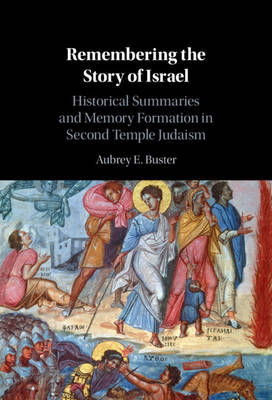
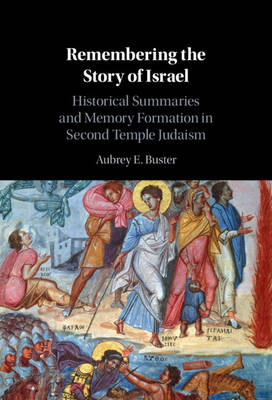
Remembering the Story of Israel
Historical Summaries and Memory Formation in Second Temple Judaism
Aubrey E Buster
Hardcover | Engels
€ 191,95
+ 383 punten
Omschrijving
In this book, Aubrey Buster demonstrates how methods adapted from cultural and social memory studies and the new formalism can illuminate the communal function of biblical and extra-biblical historical summaries in Second Temple Judaism. Refining models drawn from memory studies, she applies them to ancient texts and demonstrates the development of Judah's speech about their past across the Second Temple period. Buster's wide-ranging study demonstrates how and where the historical summary functions in the book of Psalms, Nehemiah, 1 and 2 Chronicles, as well as the Qumran Psalms Scrolls, Words of the Luminaries, Paraphrase of Genesis and Exodus, and Pseudo-Daniel. She shows how the historical summary proves to be a generative, replicable, and ultimately productive form of memory. Crossing the boundaries of genre categories and time periods, liturgical performances, and literary works, historical summaries crafted a highly selective but broadly useful mode of commemoration of key events from Israel's past.
Specificaties
Betrokkenen
- Auteur(s):
- Uitgeverij:
Inhoud
- Aantal bladzijden:
- 350
- Taal:
- Engels
Eigenschappen
- Productcode (EAN):
- 9781009150682
- Verschijningsdatum:
- 19/05/2022
- Uitvoering:
- Hardcover
- Formaat:
- Genaaid
- Afmetingen:
- 152 mm x 229 mm
- Gewicht:
- 707 g


Alleen bij Standaard Boekhandel
+ 383 punten op je klantenkaart van Standaard Boekhandel
Cadeau

AANGERADEN


Beoordelingen
We publiceren alleen reviews die voldoen aan de voorwaarden voor reviews. Bekijk onze voorwaarden voor reviews.