


- Afhalen na 1 uur in een winkel met voorraad
- Gratis thuislevering in België vanaf € 30
- Ruim aanbod met 7 miljoen producten
- Afhalen na 1 uur in een winkel met voorraad
- Gratis thuislevering in België vanaf € 30
- Ruim aanbod met 7 miljoen producten





€ 90,95
+ 181 punten
Uitvoering
Omschrijving
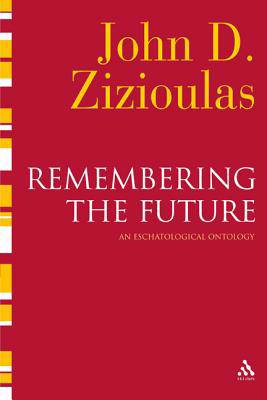
The predominating concept in theological ontology is that of a protological ontology which defines being itself as being defined by the past. The future of things in this perspective is defined by its origins and the "given" or the "factum". In this major new book John Zizioulas shows that eschatology can have important implications for ontology, i.e. for being itself. The world was created with a purpose and the end which would be greater than the beginning. This is the view of the Fathers, such as Irenaeus and Maximus, who made the end the "cause of all being". The implications of such an idea are revolutionary, both historically and experientially. It represents a reversal of the ancient philosophical idea of causality as well as of our common sense rationality, according to which the cause precedes chronologically as well as logically. It is the opposite of protological ontology, which makes the past decisive for the future. Eschatological ontology, therefore, is about the liberation of being from necessity, it is about the formation of being. Man and the world are no longer imprisoned in their past, in sin, decay and death. The past is ontologically affirmed only in so far as it contributes to the end, to the coming of the kingdom. The eschaton will 'judge' history with this criterion alone. The last judgment as part of the eschaton represents an ontological, not a moral event. Zizioulas shows how this eschatological ontology permeates Christian doctrine, particularly that of creation and ecclesiology. He also points out some of its ethical implications.
Specificaties
Betrokkenen
- Auteur(s):
- Uitgeverij:
Inhoud
- Aantal bladzijden:
- 208
- Taal:
- Engels
- Reeks:
Eigenschappen
- Productcode (EAN):
- 9780567032348
- Verschijningsdatum:
- 17/09/2026
- Uitvoering:
- Hardcover
- Formaat:
- Genaaid
- Afmetingen:
- 162 mm x 235 mm
- Gewicht:
- 503 g


Alleen bij Standaard Boekhandel
+ 181 punten op je klantenkaart van Standaard Boekhandel
Cadeau

AANGERADEN


Beoordelingen
We publiceren alleen reviews die voldoen aan de voorwaarden voor reviews. Bekijk onze voorwaarden voor reviews.