


- Afhalen na 1 uur in een winkel met voorraad
- Gratis thuislevering in België vanaf € 30
- Ruim aanbod met 7 miljoen producten
- Afhalen na 1 uur in een winkel met voorraad
- Gratis thuislevering in België vanaf € 30
- Ruim aanbod met 7 miljoen producten





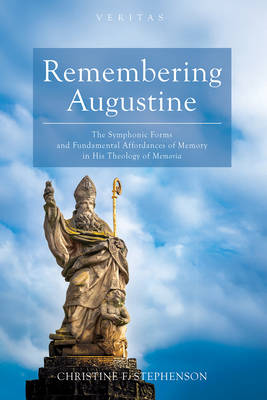
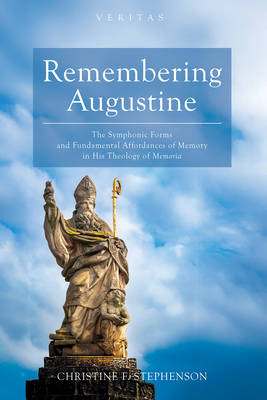
Remembering Augustine
The Symphonic Forms and Fundamental Affordances of Memory in His Theology of Memoria
Christine F Stephenson
€ 62,45
+ 124 punten
Uitvoering
Omschrijving
Augustine recognized memory to be pivotal in his journey to remember and know God. His theology of memoria is intriguingly complex and profound. An architectonic study of Augustinian memory reveals in greater depth Augustine's logical and deeply personal approach to his interrogation of memory. Following Augustine's lead, this book has a co-opted a transdisciplinary approach where Augustinian memory is explicated incorporating different specialisms. This is not a theology versus science text; it is a blending of the two where each ungirds the other. As such, architectonics has unveiled four main neoteric discoveries that have made some of Augustine's paradoxes regarding memory less enigmatic. First, an architectonic structure of memory elucidating the symphonic forms and fundamental affordances of memory in Conf. X and earlier writings. Second, the insights from the examination of Augustinian memory and Arc, a unique memory gene. Third, a model for the simultaneity of the three cardinal "moments" of time (creation, incarnation, eternity) with temporal time (past, present, future) and physical time illustrated by the Arc gene. Fourth, the theory of recapitulation where Conf. XIII recapitulates I-XII viewed through creation and other motifs in Confessiones. It is hoped that this book will provoke a new way of thinking about Augustinian memory--a re-thinking of Augustine's theology of memoria.
Specificaties
Betrokkenen
- Auteur(s):
- Uitgeverij:
Inhoud
- Aantal bladzijden:
- 330
- Taal:
- Engels
- Reeks:
Eigenschappen
- Productcode (EAN):
- 9798385249879
- Verschijningsdatum:
- 11/12/2025
- Uitvoering:
- Hardcover
- Formaat:
- Genaaid
- Afmetingen:
- 152 mm x 229 mm
- Gewicht:
- 612 g


Alleen bij Standaard Boekhandel
+ 124 punten op je klantenkaart van Standaard Boekhandel
Cadeau

AANGERADEN


Beoordelingen
We publiceren alleen reviews die voldoen aan de voorwaarden voor reviews. Bekijk onze voorwaarden voor reviews.