


- Afhalen na 1 uur in een winkel met voorraad
- Gratis thuislevering in België vanaf € 30
- Ruim aanbod met 7 miljoen producten
- Afhalen na 1 uur in een winkel met voorraad
- Gratis thuislevering in België vanaf € 30
- Ruim aanbod met 7 miljoen producten





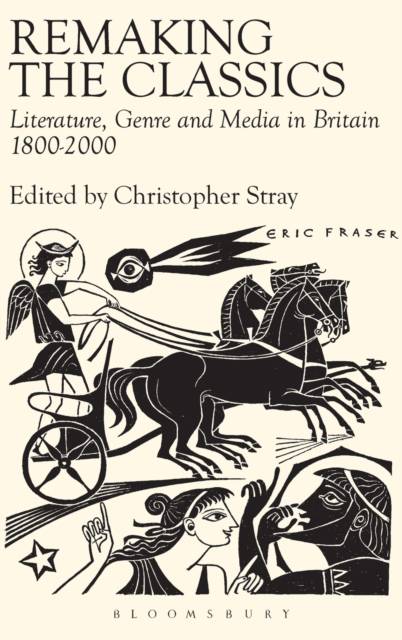
Remaking the Classics
Literature, Genre and Media in Britain 1800-2000
Christopher Stray, Lorna Hardwick, Amanda Wrigley
Hardcover | Engels
€ 339,45
+ 678 punten
Omschrijving
This important collection of essays both contributes to the expanding field of classical reception studies and seeks to extend it. Focusing on nineteenth- and twentieth-century Britain, it looks at a range of different genres (epic, novel, lyric, tragedy, political pamphlet). Within the published texts considered, the usual range of genres dealt with elsewhere is extended by chapters on books for children, and those in which childhood and memories of childhood are informed by antiquity; and also by a multi-genre case study of a highly unusual subject, Spartacus. "Remaking the Classics" also goes beyond books to dramatic performance, and beyond the theatre to radio - a medium of enormous power and influence from the 1920s to the 1960s, whose role in the reception of classics is largely unexplored. The variety of genres and of media considered in the book is balanced both by the focus on Britain in a specific time period, and by an overlap of subject-matter between chapters: the three chapters on twentieth-century drama, for example, range from performance strategies to post-colonial contexts.The book thus combines the consolidation of a field with an attempt to push it in new and exciting directions.
Specificaties
Betrokkenen
- Auteur(s):
- Uitgeverij:
Inhoud
- Aantal bladzijden:
- 208
- Taal:
- Engels
Eigenschappen
- Productcode (EAN):
- 9780715636732
- Verschijningsdatum:
- 13/12/2007
- Uitvoering:
- Hardcover
- Formaat:
- Ongenaaid / garenloos gebonden
- Afmetingen:
- 165 mm x 241 mm
- Gewicht:
- 403 g


Alleen bij Standaard Boekhandel
+ 678 punten op je klantenkaart van Standaard Boekhandel
Cadeau

AANGERADEN


Beoordelingen
We publiceren alleen reviews die voldoen aan de voorwaarden voor reviews. Bekijk onze voorwaarden voor reviews.