


- Afhalen na 1 uur in een winkel met voorraad
- Gratis thuislevering in België vanaf € 30
- Ruim aanbod met 7 miljoen producten
- Afhalen na 1 uur in een winkel met voorraad
- Gratis thuislevering in België vanaf € 30
- Ruim aanbod met 7 miljoen producten





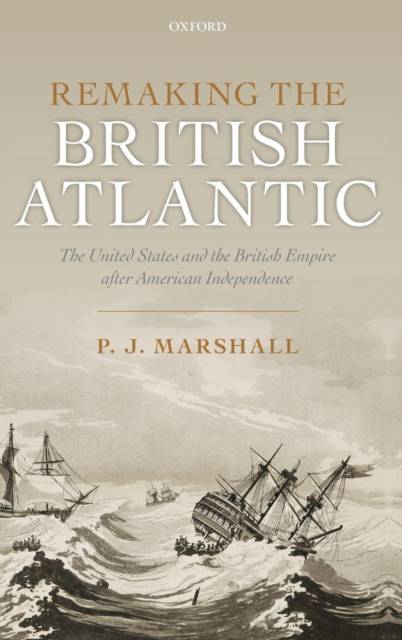
Remaking the British Atlantic
The United States and the British Empire After American Independence
P J Marshall
Hardcover | Engels
€ 161,45
+ 322 punten
Omschrijving
Remaking the British Atlantic focuses on a crucial phase in the history of British-American relations: the first ten years of American Independence. These set the pattern for some years to come. On the one hand, there was to be no effective political rapprochement after rebellion and war. Mainstream British opinion was little influenced by the failure to subdue the revolt or by the emergence of a new America, for which they mostly felt disdain. What were taken to be the virtues of the British constitution were confidently reasserted and there was little inclination either to disengage from empire or to manage it in different ways. For their part, many Americans defined the new order that they were seeking to establish by their rejection of what they took to be the abuses of contemporary Britain. On the other hand, neither the trauma of war nor the failure to create harmonious political relations could prevent the re-establishment of the very close links that had spanned the pre-war Atlantic, locking people on both sides of it into close connections with one another. Many British migrants still went to America. Britain remained America's dominant trading partner. American tastes and the intellectual life of the new republic continued to be largely reflections of British tastes and ideas. America and Britain were too important for too many people in too many ways for political alienation to keep them apart.
Specificaties
Betrokkenen
- Auteur(s):
- Uitgeverij:
Inhoud
- Aantal bladzijden:
- 344
- Taal:
- Engels
Eigenschappen
- Productcode (EAN):
- 9780199640355
- Verschijningsdatum:
- 15/06/2012
- Uitvoering:
- Hardcover
- Formaat:
- Genaaid
- Afmetingen:
- 157 mm x 236 mm
- Gewicht:
- 639 g



Alleen bij Standaard Boekhandel
+ 322 punten op je klantenkaart van Standaard Boekhandel
Cadeau

AANGERADEN


Beoordelingen
We publiceren alleen reviews die voldoen aan de voorwaarden voor reviews. Bekijk onze voorwaarden voor reviews.