


- Afhalen na 1 uur in een winkel met voorraad
- Gratis thuislevering in België vanaf € 30
- Ruim aanbod met 7 miljoen producten
- Afhalen na 1 uur in een winkel met voorraad
- Gratis thuislevering in België vanaf € 30
- Ruim aanbod met 7 miljoen producten





€ 220,45
+ 440 punten
Uitvoering
Omschrijving
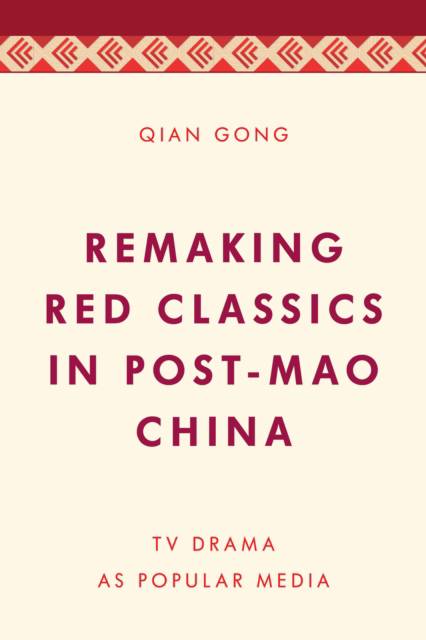
In the 1990s, China's economic reform campaign reached a new high. Amid the eager adoption of capitalism, however, the spectre of revolution re-emerged. Red Classics, a historic-revolutionary themed genre created in the high socialist era were widely taken up again in television drama adaptations. They have since remained a permanent feature of TV repertoire well into the 2010s. Remaking Red Classics in Post-Mao China looks at the how the revolutionary experience is represented and consumed in the reform era. It examines the adaptation of Red Classics as a result of the dynamic interplay between television stations, media censorship and social sentiment of the populace. How the story of revolution was reinvented to appeal and entertain a new generation provides important clues to the understanding of transformation of class, gender, locality and faith in contemporary China.
Specificaties
Betrokkenen
- Auteur(s):
- Uitgeverij:
Inhoud
- Aantal bladzijden:
- 206
- Taal:
- Engels
- Reeks:
Eigenschappen
- Productcode (EAN):
- 9781786609250
- Verschijningsdatum:
- 22/03/2021
- Uitvoering:
- Hardcover
- Formaat:
- Genaaid
- Afmetingen:
- 152 mm x 229 mm
- Gewicht:
- 471 g


Alleen bij Standaard Boekhandel
+ 440 punten op je klantenkaart van Standaard Boekhandel
Cadeau

AANGERADEN


Beoordelingen
We publiceren alleen reviews die voldoen aan de voorwaarden voor reviews. Bekijk onze voorwaarden voor reviews.