


- Afhalen na 1 uur in een winkel met voorraad
- Gratis thuislevering in België vanaf € 30
- Ruim aanbod met 7 miljoen producten
- Afhalen na 1 uur in een winkel met voorraad
- Gratis thuislevering in België vanaf € 30
- Ruim aanbod met 7 miljoen producten





€ 62,95
+ 125 punten
Omschrijving
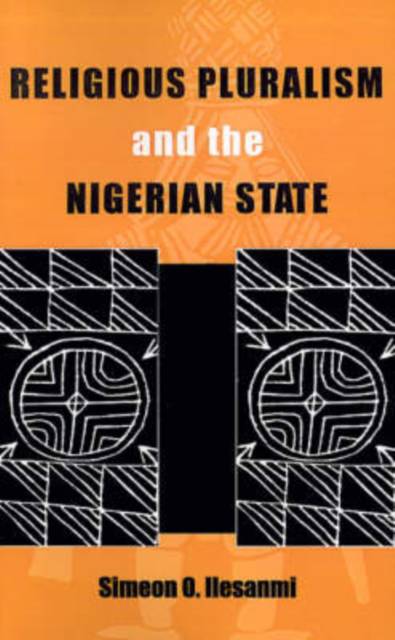
In the case of Nigeria, scholarship on religious politics has not adequately taken into account the pluralistic context and the idealistic pretensions of the state that inhibit the possibility of forging an enduring civic amity among Nigeria's diverse groups. Ilesanmi proposes a new philosophy or model of religio-political interaction, which he calls dialogic politics. Dialogic politics celebrates pluralism and suggests that religious institutions he construed as mediating structures functioning as buffers between individual citizens in search of existential meaning and cultural identity and the impersonal state, which tends to gravitate toward instrumental objectives. Ilesanmi's study offers a fresh perspective on the complex relations between political attitudes and religious convictions.
Specificaties
Betrokkenen
- Auteur(s):
- Uitgeverij:
Inhoud
- Aantal bladzijden:
- 332
- Taal:
- Engels
- Reeks:
Eigenschappen
- Productcode (EAN):
- 9780896801943
- Verschijningsdatum:
- 1/11/1996
- Uitvoering:
- Paperback
- Formaat:
- Trade paperback (VS)
- Afmetingen:
- 140 mm x 214 mm
- Gewicht:
- 390 g


Alleen bij Standaard Boekhandel
+ 125 punten op je klantenkaart van Standaard Boekhandel
Cadeau

AANGERADEN


Beoordelingen
We publiceren alleen reviews die voldoen aan de voorwaarden voor reviews. Bekijk onze voorwaarden voor reviews.