


- Afhalen na 1 uur in een winkel met voorraad
- Gratis thuislevering in België vanaf € 30
- Ruim aanbod met 7 miljoen producten
- Afhalen na 1 uur in een winkel met voorraad
- Gratis thuislevering in België vanaf € 30
- Ruim aanbod met 7 miljoen producten





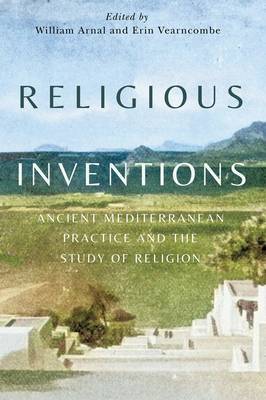
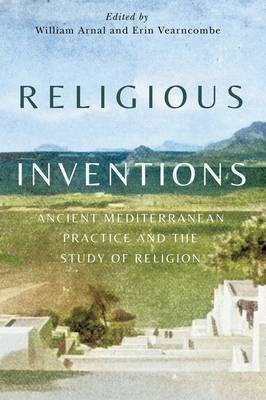
Religious Inventions
Ancient Mediterranean Practice and the Study of Religion
€ 58,95
+ 117 punten
Eenvoudig bestellen
Veilig betalen


Gratis thuislevering vanaf € 30 (via bpost)
Gratis levering in je Standaard Boekhandel
Omschrijving
Religion is a modern invention, a category used to describe and study certain kinds of human behaviour. Yet when it comes to the ancient world and its texts - including those that comprise the Jewish and Christian Bibles - it can be easy to forget that they did not fall from the sky as simple expressions of dogma. Rather, the ancient writings of early Judaism and Christianity are firmly rooted in the world and are the product of an astonishing array of human experience and agency: acts of self-fashioning; of imaginative speculation; of mourning and memorializing; of forming, dissolving, or refashioning group identities; and more.
Religious Inventions asks how modern conceptions of religion can shed light on the relics, textual and otherwise, of ancient Mediterranean Jews and Christians. What insights from the contemporary study of religious behaviours and practices challenge what we think we know about the ancient world? Conversely, how can thinking about the ancient world challenge what we think we know about religion today? This volume responds to these questions through explorations of the material and social circumstances behind the production of written artifacts. It examines how religious practices relate to conceptions of identity and critiques the utility of the comparative method for approaching ancient writings. Textual authority is used and abused by many of today's public figures. Religious Inventions offers an alternative approach to understanding how authority is constructed: from the ground up, by the creative actions and choices of real people who lived long ago.Specificaties
Betrokkenen
- Uitgeverij:
Inhoud
- Aantal bladzijden:
- 438
- Taal:
- Engels
- Reeks:
- Reeksnummer:
- nr. 6
Eigenschappen
- Productcode (EAN):
- 9780228024460
- Verschijningsdatum:
- 6/05/2025
- Uitvoering:
- Paperback
- Formaat:
- Trade paperback (VS)
- Afmetingen:
- 152 mm x 228 mm
- Gewicht:
- 616 g

Alleen bij Standaard Boekhandel
+ 117 punten op je klantenkaart van Standaard Boekhandel
CADEAU

AANGERADEN


Beoordelingen
We publiceren alleen reviews die voldoen aan de voorwaarden voor reviews. Bekijk onze voorwaarden voor reviews.