


- Afhalen na 1 uur in een winkel met voorraad
- Gratis thuislevering in België vanaf € 30
- Ruim aanbod met 7 miljoen producten
- Afhalen na 1 uur in een winkel met voorraad
- Gratis thuislevering in België vanaf € 30
- Ruim aanbod met 7 miljoen producten





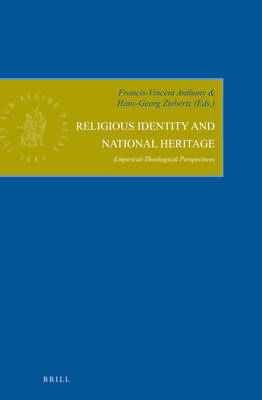
Religious Identity and National Heritage
Empirical-Theological Perspectives
€ 222,95
+ 445 punten
Omschrijving
In some parts of our world, religion is on the wane, losing its thrust of doctrinal authority and communal bonds. In other regions, it is gaining public significance as a powerful social, cultural and political force. Secularization theories are less successful in accounting for these differences in religion's role. Other theories describe religion in terms of social capital to be invested whenever it offers certain personal, social or political benefits and market opportunities allow smart choices. Still other theories simply hold that religion corresponds to an inborn need or stable disposition that guarantees a culture's identity and reflects a natural equilibrium of social cohesion. There are also critical theories that point to the intrinsic relationship of religion with power and identify it as a major cause of tension and conflict. In this book distinguished scholars reflect on these questions and present empirical research about religious identity and national heritage.
Specificaties
Betrokkenen
- Uitgeverij:
Inhoud
- Aantal bladzijden:
- 320
- Taal:
- Engels
- Reeks:
- Reeksnummer:
- nr. 21
Eigenschappen
- Productcode (EAN):
- 9789004228757
- Verschijningsdatum:
- 12/06/2012
- Uitvoering:
- Hardcover
- Formaat:
- Genaaid
- Afmetingen:
- 160 mm x 241 mm
- Gewicht:
- 566 g

Alleen bij Standaard Boekhandel
+ 445 punten op je klantenkaart van Standaard Boekhandel
CADEAU


Beoordelingen
We publiceren alleen reviews die voldoen aan de voorwaarden voor reviews. Bekijk onze voorwaarden voor reviews.