


- Afhalen na 1 uur in een winkel met voorraad
- Gratis thuislevering in België vanaf € 30
- Ruim aanbod met 7 miljoen producten
- Afhalen na 1 uur in een winkel met voorraad
- Gratis thuislevering in België vanaf € 30
- Ruim aanbod met 7 miljoen producten





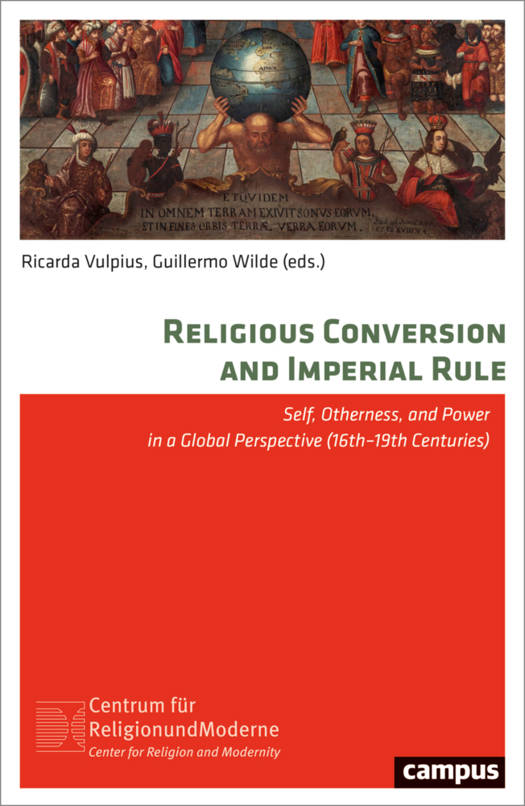
Religious Conversion and Imperial Rule
Self, Otherness, and Power in a Global Perspective (16th-19th Centuries)
€ 41,45
+ 82 punten
Omschrijving
For centuries and across continents religious communities have shaped the ways in which individuals position themselves within their societies. While historians and anthropologists have increasingly focused on the phenomenon of religious conversion, studies on the relationship between conversion and imperial rule have remained sporadic and geographically isolated. To remedy this, the present volume adopts a global and comparative approach. Focusing on efforts to spread Christianity and responses from different faith communities, the authors engage in a debate that goes beyond specific confessions or imperial configurations. The case studies presented here powerfully illustrate the multidirectional nature of religious conversion practices. They demonstrate how local structures both enabled and limited the changes brought about by conversion. The volume also addresses notions of subjectivity within convert communities which shaped their reactions to imperial strategies. "Religious Conversion and Imperial Rule" thus illuminates the interplay between power, conversion, agency, and social transformation.
Specificaties
Betrokkenen
- Uitgeverij:
Inhoud
- Taal:
- Engels
- Reeks:
- Reeksnummer:
- nr. 35
Eigenschappen
- Productcode (EAN):
- 9783593522234
- Verschijningsdatum:
- 16/07/2026
- Uitvoering:
- Paperback
- Afmetingen:
- 150 mm x 230 mm

Alleen bij Standaard Boekhandel
+ 82 punten op je klantenkaart van Standaard Boekhandel

Beoordelingen
We publiceren alleen reviews die voldoen aan de voorwaarden voor reviews. Bekijk onze voorwaarden voor reviews.