



- Afhalen na 1 uur in een winkel met voorraad
- In januari gratis thuislevering in België
- Ruim aanbod met 7 miljoen producten
- Afhalen na 1 uur in een winkel met voorraad
- In januari gratis thuislevering in België
- Ruim aanbod met 7 miljoen producten





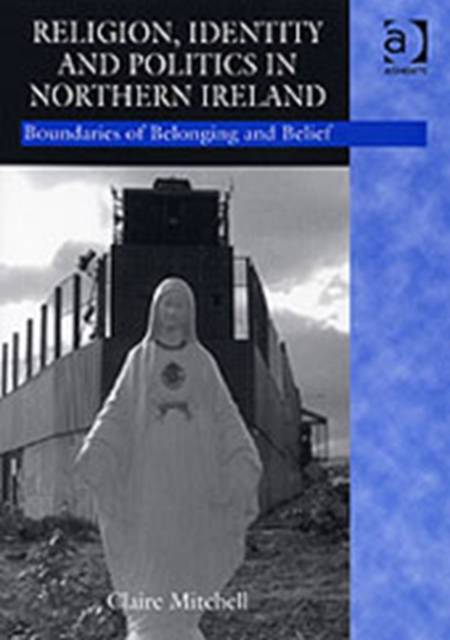
Religion, Identity and Politics in Northern Ireland
Boundaries of Belonging and Belief
Claire Mitchell
Paperback | Engels
€ 94,95
+ 189 punten
Omschrijving
Has conflict in Northern Ireland kept political dimensions of religion alive, and has religion played a role in fuelling conflict? Conflict in Northern Ireland is not and never will be a holy war. Yet religion is more socially and politically significant than many commentators presume. In fact, religion has remained a central feature of social identity and politics throughout conflict as well as recent change. There has been an acceleration of interest in the relationship between religion, identity and politics in modern societies. Building on this debate, Claire Mitchell presents a challenging analysis of religion in contemporary Northern Ireland, arguing that religion is not merely a marker of ethnicity and that it continues to provide many of the meanings of identity, community and politics. In light of the multifaceted nature of the conflict in Northern Ireland, Mitchell explains that, for Catholics, religion is primarily important in its social and institutional forms, whereas for many Protestants its theological and ideological dimensions are more pressing. Even those who no longer go to church tend to reproduce religious stereotypes of 'them and us'. Drawing on a range of unique interview material, this book traces how individuals and groups in Northern Ireland have absorbed religious types of cultural knowledge, belonging and morality, and how they reproduce these as they go about their daily lives. Despite recent religious and political changes, the author concludes that perceptions of religious difference help keep communities in Northern Ireland socially separate and often in conflict with one another.
Specificaties
Betrokkenen
- Auteur(s):
- Uitgeverij:
Inhoud
- Aantal bladzijden:
- 192
- Taal:
- Engels
Eigenschappen
- Productcode (EAN):
- 9780754641551
- Verschijningsdatum:
- 28/12/2005
- Uitvoering:
- Paperback
- Formaat:
- Trade paperback (VS)
- Afmetingen:
- 174 mm x 246 mm
- Gewicht:
- 326 g


Alleen bij Standaard Boekhandel
+ 189 punten op je klantenkaart van Standaard Boekhandel
Cadeau

AANGERADEN


Beoordelingen
We publiceren alleen reviews die voldoen aan de voorwaarden voor reviews. Bekijk onze voorwaarden voor reviews.