


- Afhalen na 1 uur in een winkel met voorraad
- Gratis thuislevering in België vanaf € 30
- Ruim aanbod met 7 miljoen producten
- Afhalen na 1 uur in een winkel met voorraad
- Gratis thuislevering in België vanaf € 30
- Ruim aanbod met 7 miljoen producten





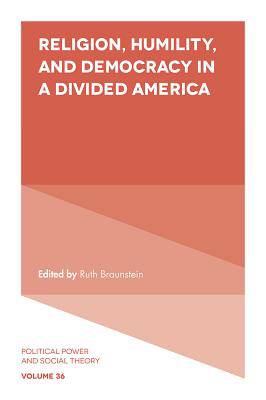
Religion, Humility, and Democracy in a Divided America
€ 206,45
+ 412 punten
Omschrijving
This volume asks how religious convictions inform citizens' engagement in American democratic life, particularly across deep political divides. Strong religious convictions motivate citizens across the political spectrum to engage in public life, yet are also viewed as a driver of political polarization by encouraging too much arrogance and not enough humility.
Featuring contributions from leading experts on religion and democratic life in the United States, this volume combines theoretical reflections on this tension with empirical investigations into how a range of religious actors balance conviction with humility in their public interactions with social and political others. Taken together, these contributions reveal that strong religious conviction can encourage political arrogance, but also humility; can lead to deepening political polarization that threatens democracy, but also commitment to movements for equality and justice that advance democracy; can encourage the building of walls, but also of bridges. Contributors also identify the factors and conditions driving each outcome, pointing to the roles of power, context, culture, institutions, and history in how different religious groups engage in political life.
The lessons this volume offers will be relevant to anyone interested in the complex relationship between religion and American democratic life; yet they also matter beyond religious groups. After all, religion is only one possible source of strong convictions that drive public engagement. As such, the volume also offers more general insight into how conviction shapes citizens' capacity and willingness to engage with others across deep divides.
Featuring contributions from leading experts on religion and democratic life in the United States, this volume combines theoretical reflections on this tension with empirical investigations into how a range of religious actors balance conviction with humility in their public interactions with social and political others. Taken together, these contributions reveal that strong religious conviction can encourage political arrogance, but also humility; can lead to deepening political polarization that threatens democracy, but also commitment to movements for equality and justice that advance democracy; can encourage the building of walls, but also of bridges. Contributors also identify the factors and conditions driving each outcome, pointing to the roles of power, context, culture, institutions, and history in how different religious groups engage in political life.
The lessons this volume offers will be relevant to anyone interested in the complex relationship between religion and American democratic life; yet they also matter beyond religious groups. After all, religion is only one possible source of strong convictions that drive public engagement. As such, the volume also offers more general insight into how conviction shapes citizens' capacity and willingness to engage with others across deep divides.
Specificaties
Betrokkenen
- Uitgeverij:
Inhoud
- Aantal bladzijden:
- 192
- Taal:
- Engels
- Reeks:
- Reeksnummer:
- nr. 36
Eigenschappen
- Productcode (EAN):
- 9781789739503
- Verschijningsdatum:
- 5/08/2019
- Uitvoering:
- Hardcover
- Formaat:
- Genaaid
- Afmetingen:
- 155 mm x 231 mm
- Gewicht:
- 453 g

Alleen bij Standaard Boekhandel
+ 412 punten op je klantenkaart van Standaard Boekhandel
Cadeau

AANGERADEN


Beoordelingen
We publiceren alleen reviews die voldoen aan de voorwaarden voor reviews. Bekijk onze voorwaarden voor reviews.