


- Afhalen na 1 uur in een winkel met voorraad
- Gratis thuislevering in België vanaf € 30
- Ruim aanbod met 7 miljoen producten
- Afhalen na 1 uur in een winkel met voorraad
- Gratis thuislevering in België vanaf € 30
- Ruim aanbod met 7 miljoen producten





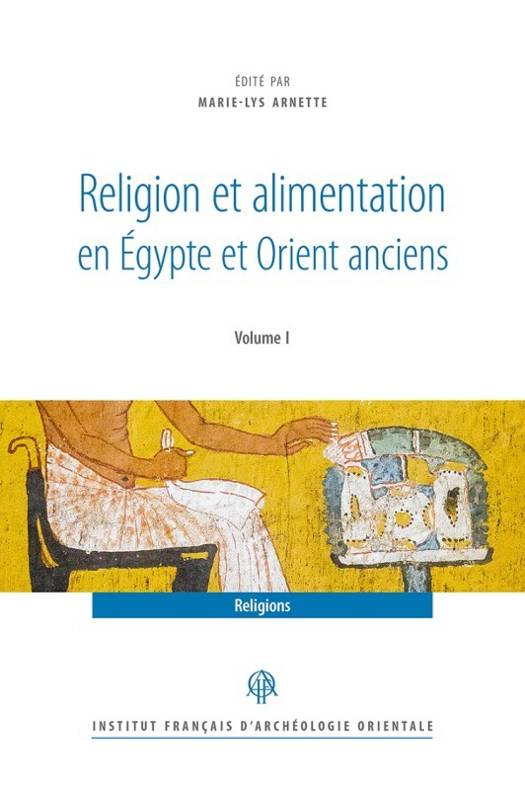
Religion Et Alimentation Dans l'Egypte Et l'Orient Anciens
Marie-Lys Arnette
€ 42,00
+ 84 punten
Uitvoering
Omschrijving
Religion and food are intrinsically linked. Religion, especially in Antiquity, requires food to form the rite: food as offerings permits the circulation between this world and hereafter, from the living making offerings to the gods and the dead and then in return, the gods - and sometimes the dead - through the abundance of harvests offer food to the living. At the heart of food practices, religion imposes its mark by contributing to the manufacture of a standardized framework, which is also a vector of identity. It designates what is edible, therefore considered pure, and what is not; it creates the rules for preparing food, from the field to the kitchen, and sets standards of conduct at the time of consumption. It is precisely because the notion of norm is at the heart of both, that religion and food are privileged means to question societies, to compare them, and to underline the specificities of each. The present work, which is collective and multidisciplinary, aims to clarify the place of food in myths and ritual practices, and to define the nature and importance of the religious mark in food practices. Based on a comparative approach, it brings together 17 articles, both case studies and synthesis works on Egypt, Mesopotamia, Anatolia and the Levant, from the 3rd millennium to late Antiquity.
Specificaties
Betrokkenen
- Auteur(s):
- Uitgeverij:
Inhoud
- Aantal bladzijden:
- 632
- Taal:
- Engels, Frans
- Reeks:
- Reeksnummer:
- nr. 43
Eigenschappen
- Productcode (EAN):
- 9782724707397
- Verschijningsdatum:
- 27/03/2019
- Uitvoering:
- Paperback
- Formaat:
- Trade paperback (VS)
- Afmetingen:
- 163 mm x 246 mm
- Gewicht:
- 1360 g


Alleen bij Standaard Boekhandel
+ 84 punten op je klantenkaart van Standaard Boekhandel
Cadeau

AANGERADEN


Beoordelingen
We publiceren alleen reviews die voldoen aan de voorwaarden voor reviews. Bekijk onze voorwaarden voor reviews.