



Je cadeautjes zeker op tijd in huis hebben voor de feestdagen? Kom langs in onze winkels en vind het perfecte geschenk!
- Afhalen na 1 uur in een winkel met voorraad
- Gratis thuislevering in België vanaf € 30
- Ruim aanbod met 7 miljoen producten
Je cadeautjes zeker op tijd in huis hebben voor de feestdagen? Kom langs in onze winkels en vind het perfecte geschenk!
- Afhalen na 1 uur in een winkel met voorraad
- Gratis thuislevering in België vanaf € 30
- Ruim aanbod met 7 miljoen producten





€ 85,45
+ 170 punten
Uitvoering
Omschrijving
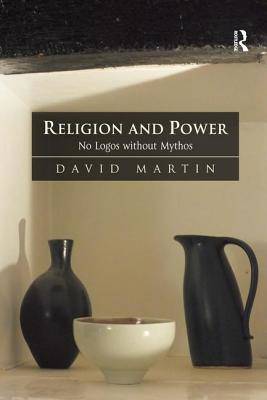
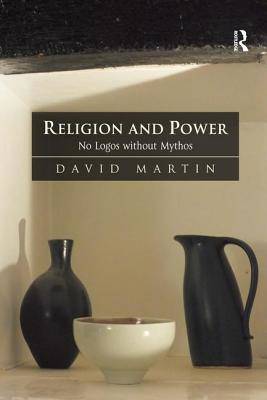
There are few more contentious issues than the relation of faith to power or the suggestion that religion is irrational compared with politics and peculiarly prone to violence. The former claim is associated with Juergen Habermas and the latter with Richard Dawkins. In this book David Martin argues, against Habermas, that religion and politics share a common mythic basis and that it is misleading to contrast the rationality of politics with the irrationality of religion. In contrast to Richard Dawkins (and New Atheists generally), Martin argues that the approach taken is brazenly unscientific and that the proclivity to violence is a shared feature of religion, nationalism and political ideology alike rooted in the demands of power and social solidarity. The book concludes by considering the changing ecology of faith and power at both centre and periphery in monuments, places and spaces.
Specificaties
Betrokkenen
- Auteur(s):
- Uitgeverij:
Inhoud
- Aantal bladzijden:
- 280
- Taal:
- Engels
Eigenschappen
- Productcode (EAN):
- 9781472433602
- Verschijningsdatum:
- 6/08/2014
- Uitvoering:
- Paperback
- Formaat:
- Trade paperback (VS)
- Afmetingen:
- 156 mm x 234 mm
- Gewicht:
- 399 g


Alleen bij Standaard Boekhandel
+ 170 punten op je klantenkaart van Standaard Boekhandel
CADEAU


Beoordelingen
We publiceren alleen reviews die voldoen aan de voorwaarden voor reviews. Bekijk onze voorwaarden voor reviews.