



- Afhalen na 1 uur in een winkel met voorraad
- In januari gratis thuislevering in België
- Ruim aanbod met 7 miljoen producten
- Afhalen na 1 uur in een winkel met voorraad
- In januari gratis thuislevering in België
- Ruim aanbod met 7 miljoen producten





€ 198,45
+ 396 punten
Uitvoering
Omschrijving
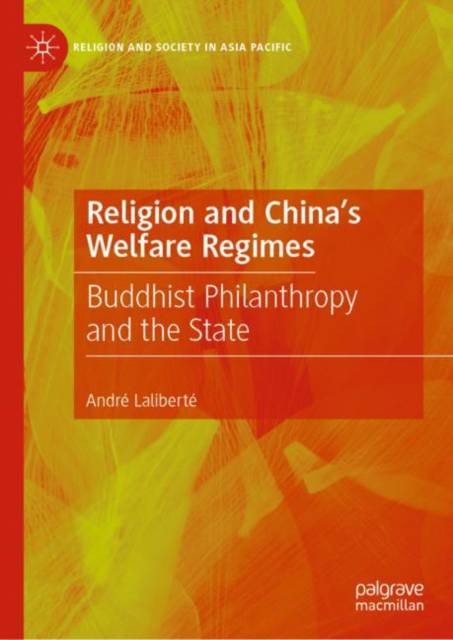
This book presents the welfare regime of China as a liminal space where religious and state authorities struggle for legitimacy as new social forces emerge. It offers a unique analysis of relations between religion and state in the People's Republic of China by presenting how the Chinese Communist Party (CCP) tries to harness Buddhist resources to assist in the delivery of social services and sheds light on the intermingling of Buddhism and the state since 1949. This book will appeal to academics in social sciences and humanities and broader audiences interested in the social role of religions, charity, NGOs, and in social policy implementation. The author explores why the CCP turns to Buddhist followers and their leaders and presents a detailed view of Buddhist philanthropy, contextualized with an historical overview, a regional comparative perspective, and a review of policy debates. This book contributes to our understanding of secularity in a major non-Western society influenced by religions other than Christianity.
Specificaties
Betrokkenen
- Auteur(s):
- Uitgeverij:
Inhoud
- Aantal bladzijden:
- 327
- Taal:
- Engels
- Reeks:
Eigenschappen
- Productcode (EAN):
- 9789811672699
- Verschijningsdatum:
- 24/04/2022
- Uitvoering:
- Hardcover
- Formaat:
- Genaaid
- Afmetingen:
- 148 mm x 210 mm
- Gewicht:
- 571 g


Alleen bij Standaard Boekhandel
+ 396 punten op je klantenkaart van Standaard Boekhandel
Cadeau

AANGERADEN


Beoordelingen
We publiceren alleen reviews die voldoen aan de voorwaarden voor reviews. Bekijk onze voorwaarden voor reviews.