


- Afhalen na 1 uur in een winkel met voorraad
- Gratis thuislevering in België vanaf € 30
- Ruim aanbod met 7 miljoen producten
- Afhalen na 1 uur in een winkel met voorraad
- Gratis thuislevering in België vanaf € 30
- Ruim aanbod met 7 miljoen producten





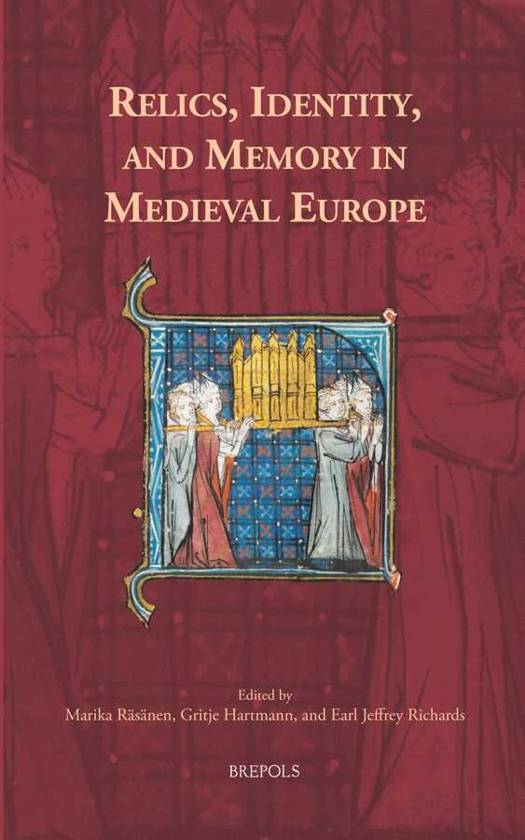
Relics, Identity, and Memory in Medieval Europe
Marika Räsänen
€ 127,20
+ 254 punten
Omschrijving
This volume contributes to current discussions of the place of relics in devotional life, politics, and identity-formation, by illustrating both the power which relics were thought to emanate as well as the historical continuity in the significance assigned to that power. Relics had the power to 'touch' believers not only as material objects, but also through different media that made their presence tangible and valuable. Local variants in relic-veneration demonstrate how relics were exploited, often with great skill, in different religious and political contexts. The volume covers both a wide historical and geographical span, from Late Antiquity to the early modern period, and from northern, central, and southern Europe. The book focuses on textual, iconographical, archaeological, and architectural sources. The contributors explore how an efficient manipulation of the liturgy, narrative texts, iconographic traditions, and architectural settings were used to construct the meaningfulness of relics and how linguistic style and precision were critically important in creating a context for veneration. The methodology adopted in the book combines studies of material culture and close reading of textual evidence in order to offer a new multidisciplinary purchase on the study of relic cults.
Specificaties
Betrokkenen
- Auteur(s):
- Uitgeverij:
Inhoud
- Aantal bladzijden:
- 359
- Taal:
- Engels
- Reeks:
- Reeksnummer:
- nr. 21
Eigenschappen
- Productcode (EAN):
- 9782503555027
- Verschijningsdatum:
- 22/09/2016
- Uitvoering:
- Hardcover
- Formaat:
- Genaaid
- Afmetingen:
- 163 mm x 239 mm
- Gewicht:
- 771 g



Alleen bij Standaard Boekhandel
+ 254 punten op je klantenkaart van Standaard Boekhandel
Cadeau

AANGERADEN


Beoordelingen
We publiceren alleen reviews die voldoen aan de voorwaarden voor reviews. Bekijk onze voorwaarden voor reviews.