


- Afhalen na 1 uur in een winkel met voorraad
- Gratis thuislevering in België vanaf € 30
- Ruim aanbod met 7 miljoen producten
- Afhalen na 1 uur in een winkel met voorraad
- Gratis thuislevering in België vanaf € 30
- Ruim aanbod met 7 miljoen producten





€ 257,95
+ 515 punten
Omschrijving
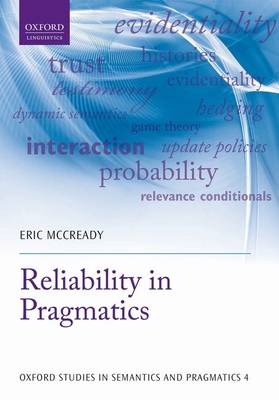
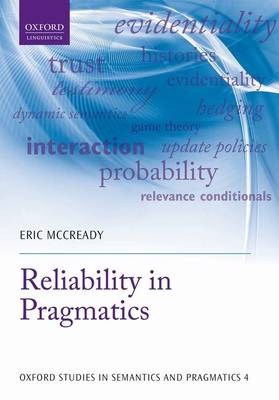
This book is an exploration of how knowledge about the reliability of information sources manifests itself in linguistic phenomena and use. It focuses on cooperation in language use and on how considerations of reliability influence what is done with the information acquired through language. E. McCready provides a detailed account of the phenomena of hedging and evidentiality and analyses them using tools from game theory, dynamic semantics, and formal epistemology. Hedging is argued to be a mechanism used by speakers to protect their reputations for cooperativity from damage inflicted by infelicitous discourse moves. The pragmatics of evidential use is also discussed in terms of the histories of interaction that influence reputation: the author argues that past experience with the evidence source indexed by the evidential determines how the process of adding information will proceed. The book makes many new connections between seemingly disparate aspects of linguistic meaning and practice. It will be of interest to specialists in semantics, pragmatics, and philosophy of language, as well as those in the fields of philosophy and cognitive science with an interest in language and epistemology.
Specificaties
Betrokkenen
- Auteur(s):
- Uitgeverij:
Inhoud
- Aantal bladzijden:
- 304
- Taal:
- Engels
- Reeks:
Eigenschappen
- Productcode (EAN):
- 9780198702832
- Verschijningsdatum:
- 4/02/2015
- Uitvoering:
- Hardcover
- Formaat:
- Genaaid
- Afmetingen:
- 170 mm x 249 mm
- Gewicht:
- 675 g


Alleen bij Standaard Boekhandel
+ 515 punten op je klantenkaart van Standaard Boekhandel
Cadeau

AANGERADEN


Beoordelingen
We publiceren alleen reviews die voldoen aan de voorwaarden voor reviews. Bekijk onze voorwaarden voor reviews.