


- Afhalen na 1 uur in een winkel met voorraad
- Gratis thuislevering in België vanaf € 30
- Ruim aanbod met 7 miljoen producten
- Afhalen na 1 uur in een winkel met voorraad
- Gratis thuislevering in België vanaf € 30
- Ruim aanbod met 7 miljoen producten





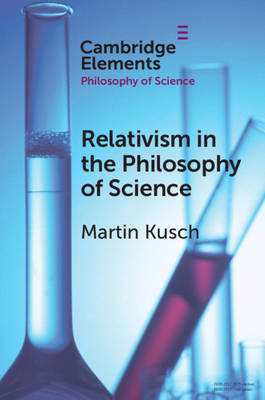
Relativism in the Philosophy of Science
Martin Kusch
€ 36,45
+ 72 punten
Omschrijving
'Relativism versus absolutism' is one of the fundamental oppositions that have dominated reflections about science for much of its (modern) history. Often these reflections have been inseparable from wider social-political concerns regarding the position of science in society. Where does this debate stand in the philosophy and sociology of science today? And how does the 'relativism question' relate to current concerns with 'post truth' politics? In Relativism in the Philosophy of Science, Martin Kusch examines some of the most influential relativist proposals of the last fifty years, and the controversies they have triggered. He argues that defensible forms of relativism all deny that any sense can be made of a scientific result being absolutely true or justified, and that they all reject 'anything goes' - that is the thought that all scientific results are epistemically on a par. Kusch concludes by distinguishing between defensible forms of relativism and post-truth thinking.
Specificaties
Betrokkenen
- Auteur(s):
- Uitgeverij:
Inhoud
- Aantal bladzijden:
- 88
- Taal:
- Engels
- Reeks:
Eigenschappen
- Productcode (EAN):
- 9781108969611
- Verschijningsdatum:
- 28/01/2021
- Uitvoering:
- Paperback
- Formaat:
- Trade paperback (VS)
- Afmetingen:
- 152 mm x 229 mm
- Gewicht:
- 127 g


Alleen bij Standaard Boekhandel
+ 72 punten op je klantenkaart van Standaard Boekhandel
Cadeau

AANGERADEN


Beoordelingen
We publiceren alleen reviews die voldoen aan de voorwaarden voor reviews. Bekijk onze voorwaarden voor reviews.