


- Afhalen na 1 uur in een winkel met voorraad
- Gratis thuislevering in België vanaf € 30
- Ruim aanbod met 7 miljoen producten
- Afhalen na 1 uur in een winkel met voorraad
- Gratis thuislevering in België vanaf € 30
- Ruim aanbod met 7 miljoen producten





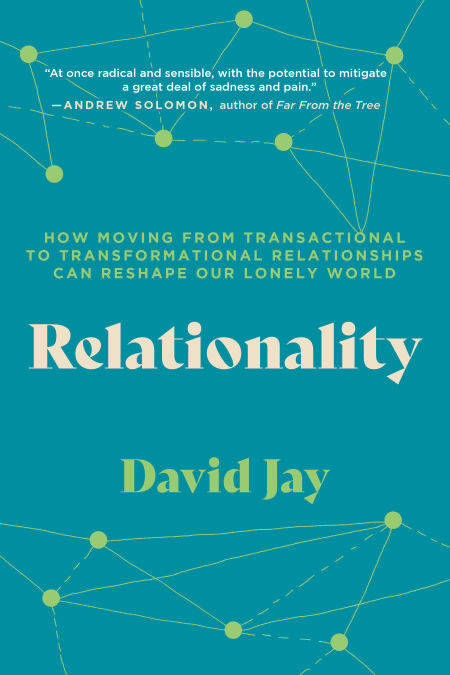
Relationality E-BOOK
How Moving from Transactional to Transformational Relationships Can Reshape Our Lonely World
David Jay
E-book | Engels
€ 19,66
+ 19 punten
Uitvoering
Omschrijving
For readers of Together and The Art of Gathering
How moving from transactional to transformational relationships and organizations can save our democracy, nurture our connections, and make us happier and healthier.
Powerful institutions, from schools to tech and social media companies, create breeding grounds for isolation by failing to invest in relational work. This obstacle stands in the way of our fight for racial equity, economic justice, and climate resilience.
In Relationality, leading asexuality and relationship activist David Jay brings clarity to the crisis with a fresh perspective that expands upon the fundamental idea that all entities in the universe are connected. Jay draws from a range of vivid personal experiences, including his time spent helping tech workers and policymakers reform social media.
This book is for people who believe in the power of relationships and want to see increased investment in relational work. Its scientifically grounded framework will help readers foster conversations about relational work, establish conditions for relationships to thrive, and quantify the impact of them.
Equipping professionals and activists involved in nonprofit, political, and other types of relational work with the knowledge they need to fight for and utilize resources, Relationality shares valuable insight on:
The history of why institutions fail to invest in relationships Reimagining ROI calculations to account for relational work Using tools of prediction and emergence theory to build communities How stories and data about relationships can help us direct resources toward relational work Relational economics and the redistribution of wealth
With isolation and loneliness on the rise in a post-lockdown world, Relationality offers a roadmap to nourish our connections toward a better, more liberated world—personally, organizationally, and in community.
How moving from transactional to transformational relationships and organizations can save our democracy, nurture our connections, and make us happier and healthier.
Powerful institutions, from schools to tech and social media companies, create breeding grounds for isolation by failing to invest in relational work. This obstacle stands in the way of our fight for racial equity, economic justice, and climate resilience.
In Relationality, leading asexuality and relationship activist David Jay brings clarity to the crisis with a fresh perspective that expands upon the fundamental idea that all entities in the universe are connected. Jay draws from a range of vivid personal experiences, including his time spent helping tech workers and policymakers reform social media.
This book is for people who believe in the power of relationships and want to see increased investment in relational work. Its scientifically grounded framework will help readers foster conversations about relational work, establish conditions for relationships to thrive, and quantify the impact of them.
Equipping professionals and activists involved in nonprofit, political, and other types of relational work with the knowledge they need to fight for and utilize resources, Relationality shares valuable insight on:
The history of why institutions fail to invest in relationships Reimagining ROI calculations to account for relational work Using tools of prediction and emergence theory to build communities How stories and data about relationships can help us direct resources toward relational work Relational economics and the redistribution of wealth
With isolation and loneliness on the rise in a post-lockdown world, Relationality offers a roadmap to nourish our connections toward a better, more liberated world—personally, organizationally, and in community.
Specificaties
Betrokkenen
- Auteur(s):
- Uitgeverij:
Inhoud
- Aantal bladzijden:
- 280
- Taal:
- Engels
Eigenschappen
- Productcode (EAN):
- 9798889840558
- Verschijningsdatum:
- 26/08/2024
- Uitvoering:
- E-book
- Beveiligd met:
- Adobe DRM
- Formaat:
- ePub


Alleen bij Standaard Boekhandel
+ 19 punten op je klantenkaart van Standaard Boekhandel

Beoordelingen
We publiceren alleen reviews die voldoen aan de voorwaarden voor reviews. Bekijk onze voorwaarden voor reviews.