


- Afhalen na 1 uur in een winkel met voorraad
- Gratis thuislevering in België vanaf € 30
- Ruim aanbod met 7 miljoen producten
- Afhalen na 1 uur in een winkel met voorraad
- Gratis thuislevering in België vanaf € 30
- Ruim aanbod met 7 miljoen producten





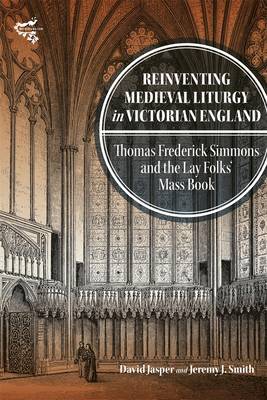
Reinventing Medieval Liturgy in Victorian England
Thomas Frederick Simmons and the Lay Folks' Mass Book
David Jasper, Jeremy J Smith
€ 177,45
+ 354 punten
Omschrijving
In 1879, the late medieval poem now known as The Lay Folks' Mass Book - a guide to the Mass -- was edited for the Early English Text Society by Canon Thomas Frederick Simmons. It remains the standard edition of what, to modern tastes, can seem a simple work of conventional Middle English devotion. Yet, as this book shows, the poem had a remarkable afterlife. The authors demonstrate how Simmons' interest in and presentation of the text was related profoundly to contemporary concerns and heated debates about worship in the Church of England, at a time when Anglican clergymen could be imprisoned for their ritual practices. Simmons, educated at Oxford during the height of the Oxford Movement, was recognised by contemporaries as a leading authority on liturgy, a topic that troubled prime ministers as well as archbishops, and the authors bring out the ways in which Simmons himself used his medievalist researches as the basis for what was to be the most important attempt at Prayer Book revision between the Reformation and the twentieth century.
Specificaties
Betrokkenen
- Auteur(s):
- Uitgeverij:
Inhoud
- Aantal bladzijden:
- 280
- Taal:
- Engels
- Reeks:
- Reeksnummer:
- nr. 26
Eigenschappen
- Productcode (EAN):
- 9781783277483
- Verschijningsdatum:
- 3/10/2023
- Uitvoering:
- Hardcover
- Formaat:
- Genaaid
- Afmetingen:
- 156 mm x 234 mm
- Gewicht:
- 566 g


Alleen bij Standaard Boekhandel
+ 354 punten op je klantenkaart van Standaard Boekhandel
Cadeau

AANGERADEN


Beoordelingen
We publiceren alleen reviews die voldoen aan de voorwaarden voor reviews. Bekijk onze voorwaarden voor reviews.