


- Afhalen na 1 uur in een winkel met voorraad
- Gratis thuislevering in België vanaf € 30
- Ruim aanbod met 7 miljoen producten
- Afhalen na 1 uur in een winkel met voorraad
- Gratis thuislevering in België vanaf € 30
- Ruim aanbod met 7 miljoen producten





€ 57,95
+ 115 punten
Uitvoering
Omschrijving
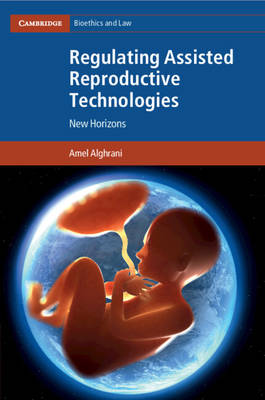
Reproductive science continues to revolutionise reproduction and propel us further into uncharted territories. The revolution signalled by the birth of Louise Brown after IVF in 1978, prompted governments across Europe and beyond into regulatory action. Forty years on, there are now dramatic and controversial developments in new reproductive technologies. Technologies such as uterus transplantation that may enable unisex gestation and babies gestated by dad; or artificial wombs that will completely divorce reproduction from the human body and allow babies to be gestated by machines, usher in a different set of legal, ethical and social questions to those that arose from IVF. This book revisits the regulation of assisted reproduction and advances the debate on from the now much-discussed issues that arose from IVF, offering a critical analysis of the regulatory challenges raised by new reproductive technologies on the horizon.
Specificaties
Betrokkenen
- Auteur(s):
- Uitgeverij:
Inhoud
- Aantal bladzijden:
- 304
- Taal:
- Engels
- Reeks:
Eigenschappen
- Productcode (EAN):
- 9781316613627
- Verschijningsdatum:
- 18/12/2025
- Uitvoering:
- Paperback
- Formaat:
- Trade paperback (VS)
- Afmetingen:
- 152 mm x 229 mm
- Gewicht:
- 408 g


Alleen bij Standaard Boekhandel
+ 115 punten op je klantenkaart van Standaard Boekhandel
AANGERADEN


Beoordelingen
We publiceren alleen reviews die voldoen aan de voorwaarden voor reviews. Bekijk onze voorwaarden voor reviews.