



Bedankt voor het vertrouwen het afgelopen jaar! Om jou te bedanken bieden we GRATIS verzending (in België) aan op alles gedurende de hele maand januari.
- Afhalen na 1 uur in een winkel met voorraad
- In januari gratis thuislevering in België
- Ruim aanbod met 7 miljoen producten
Bedankt voor het vertrouwen het afgelopen jaar! Om jou te bedanken bieden we GRATIS verzending (in België) aan op alles gedurende de hele maand januari.
- Afhalen na 1 uur in een winkel met voorraad
- In januari gratis thuislevering in België
- Ruim aanbod met 7 miljoen producten





Omschrijving
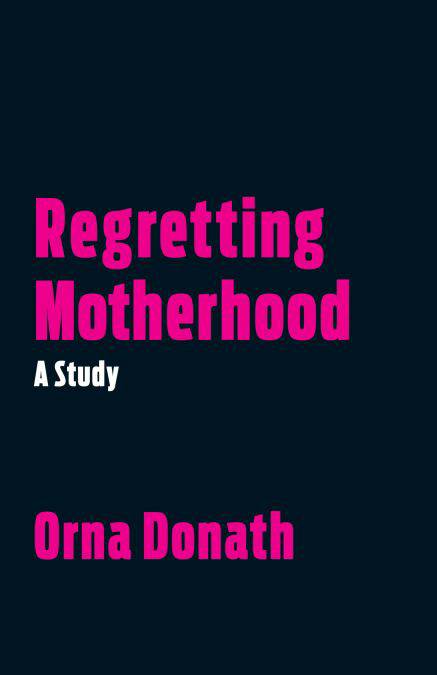
A provocative and deeply important study of women’s lives, women’s choices—and an ‘unspoken taboo’—that questions the societal pressures forcing women into motherhood
Women who opt not to be mothers are frequently warned that they will regret their decision later in life, yet we rarely talk about the possibility that the opposite might also be true—that women who have children might regret it. Drawing on years of research interviewing women from a variety of socioeconomic, educational, and professional backgrounds, sociologist Orna Donath treats regret as a feminist issue: as regret marks the road not taken, we need to consider whether alternative paths for women currently are blocked off. She asks that we pay attention to what is forbidden by rules governing motherhood, time, and emotion, including the cultural assumption that motherhood is a “natural” role for women—for the sake of all women, not just those who regret becoming mothers.
If we are disturbed by the idea that a woman might regret becoming a mother, Donath says, our response should not be to silence and shame these women; rather, we need to ask honest and difficult questions about how society pushes women into motherhood and why those who reconsider it are still seen as a danger to the status quo. Groundbreaking, thoughtful, and provocative, this is an especially needed book in our current political climate, as women's reproductive rights continue to be at the forefront of national debates.
Women who opt not to be mothers are frequently warned that they will regret their decision later in life, yet we rarely talk about the possibility that the opposite might also be true—that women who have children might regret it. Drawing on years of research interviewing women from a variety of socioeconomic, educational, and professional backgrounds, sociologist Orna Donath treats regret as a feminist issue: as regret marks the road not taken, we need to consider whether alternative paths for women currently are blocked off. She asks that we pay attention to what is forbidden by rules governing motherhood, time, and emotion, including the cultural assumption that motherhood is a “natural” role for women—for the sake of all women, not just those who regret becoming mothers.
If we are disturbed by the idea that a woman might regret becoming a mother, Donath says, our response should not be to silence and shame these women; rather, we need to ask honest and difficult questions about how society pushes women into motherhood and why those who reconsider it are still seen as a danger to the status quo. Groundbreaking, thoughtful, and provocative, this is an especially needed book in our current political climate, as women's reproductive rights continue to be at the forefront of national debates.
Specificaties
Betrokkenen
- Auteur(s):
- Uitgeverij:
Inhoud
- Aantal bladzijden:
- 272
- Taal:
- Engels
Eigenschappen
- Productcode (EAN):
- 9781623171384
- Verschijningsdatum:
- 10/07/2017
- Uitvoering:
- E-book
- Beveiligd met:
- Adobe DRM
- Formaat:
- ePub


Alleen bij Standaard Boekhandel
+ 20 punten op je klantenkaart van Standaard Boekhandel
SOLDEN


Beoordelingen
We publiceren alleen reviews die voldoen aan de voorwaarden voor reviews. Bekijk onze voorwaarden voor reviews.