


- Afhalen na 1 uur in een winkel met voorraad
- Gratis thuislevering in België vanaf € 30
- Ruim aanbod met 7 miljoen producten
- Afhalen na 1 uur in een winkel met voorraad
- Gratis thuislevering in België vanaf € 30
- Ruim aanbod met 7 miljoen producten





Omschrijving
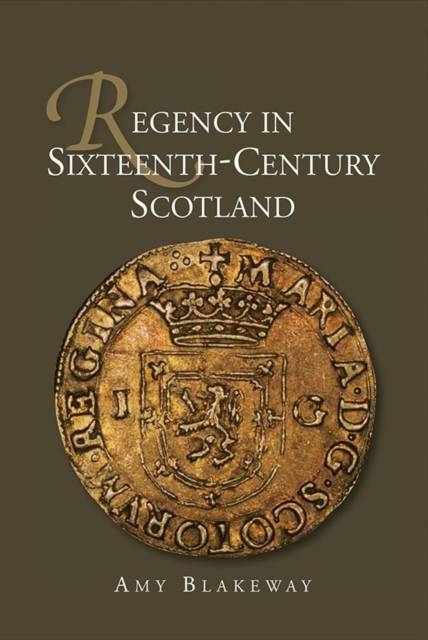
Three monarchs of Scotland (James V, Mary Queen of Scots, and James VI/I) were crowned during the sixteenth century; each came to the throne before their second birthday. Throughout all three royal minorities, the Scots remained remarkably consistent in their governmental preferences: that an individual should "bear the person" of the infant monarch, with all the power and risks that entailed. Regents could alienate crown lands, call parliament, raise taxes, and negotiate for the monarch's marriage, yet they also faced the potential of a shameful deposition from power and the assassin's gun. In examining the careers of the six men and two women who became regent in context with each other and contemporary expectations, Regency in Sixteenth-Century Scotland offers the first study of regency as a political office. It provides a major reassessment of both the office of regency itself and of individual regents. The developments in how the Scots thought about regency are charted, and the debates in which they engaged on this subject are exposed for the first time. Drawing on a broad archival base of neglected manuscript materials, ranging from financial accounts, to the justiciary court records, to diplomatic correspondence scattered from Edinburgh to Paris, the book reveals a greater level of continuity between the personal rules of the adult Stewarts and of their regents than has hitherto been appreciated.
Specificaties
Betrokkenen
- Auteur(s):
- Uitgeverij:
Inhoud
- Aantal bladzijden:
- 304
- Taal:
- Engels
- Reeks:
- Reeksnummer:
- nr. 2
Eigenschappen
- Productcode (EAN):
- 9781843839804
- Verschijningsdatum:
- 19/02/2015
- Uitvoering:
- Hardcover
- Formaat:
- Genaaid
- Afmetingen:
- 156 mm x 234 mm
- Gewicht:
- 603 g


Alleen bij Standaard Boekhandel
+ 418 punten op je klantenkaart van Standaard Boekhandel

Beoordelingen
We publiceren alleen reviews die voldoen aan de voorwaarden voor reviews. Bekijk onze voorwaarden voor reviews.