



Je cadeautjes zeker op tijd in huis hebben voor de feestdagen? Kom langs in onze winkels en vind het perfecte geschenk!
- Afhalen na 1 uur in een winkel met voorraad
- Gratis thuislevering in België vanaf € 30
- Ruim aanbod met 7 miljoen producten
Je cadeautjes zeker op tijd in huis hebben voor de feestdagen? Kom langs in onze winkels en vind het perfecte geschenk!
- Afhalen na 1 uur in een winkel met voorraad
- Gratis thuislevering in België vanaf € 30
- Ruim aanbod met 7 miljoen producten





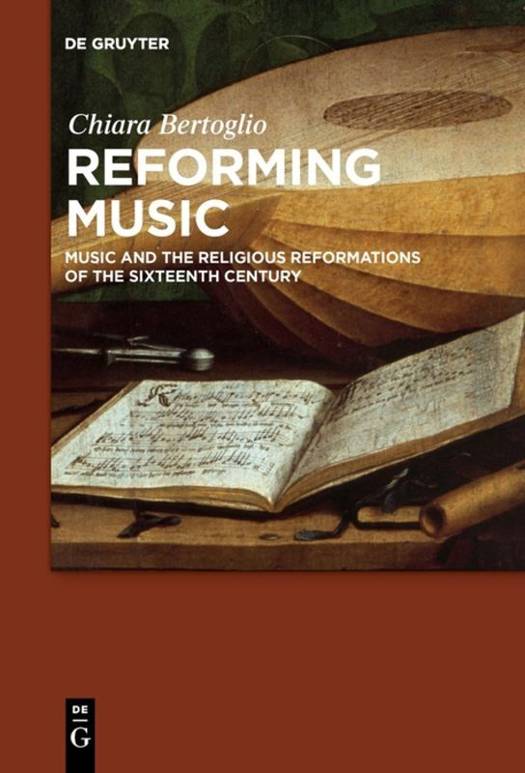
Reforming Music
Music and the Religious Reformations of the Sixteenth Century
Chiara Bertoglio
Paperback | Engels
€ 52,45
+ 104 punten
Uitvoering
Omschrijving
Five hundred years ago a monk nailed his theses to a church gate in Wittenberg. The sound of Luther's mythical hammer, however, was by no means the only aural manifestation of the religious Reformations.
This book describes the birth of Lutheran Chorales and Calvinist Psalmody; of how music was practised by Catholic nuns, Lutheran schoolchildren, battling Huguenots, missionaries and martyrs, cardinals at Trent and heretics in hiding, at a time when Palestrina, Lasso and Tallis were composing their masterpieces, and forbidden songs were concealed, smuggled and sung in taverns and princely courts alike.
Music expressed faith in the Evangelicals' emerging worships and in the Catholics' ancient rites; through it new beliefs were spread and heresy countered; analysed by humanist theorists, it comforted and consoled miners, housewives and persecuted preachers; it was both the symbol of new, conflicting identities and the only surviving trace of a lost unity of faith.
The music of the Reformations, thus, was music reformed, music reforming and the reform of music: this book shows what the Reformations sounded like, and how music became one of the protagonists in the religious conflicts of the sixteenth century.
This book describes the birth of Lutheran Chorales and Calvinist Psalmody; of how music was practised by Catholic nuns, Lutheran schoolchildren, battling Huguenots, missionaries and martyrs, cardinals at Trent and heretics in hiding, at a time when Palestrina, Lasso and Tallis were composing their masterpieces, and forbidden songs were concealed, smuggled and sung in taverns and princely courts alike.
Music expressed faith in the Evangelicals' emerging worships and in the Catholics' ancient rites; through it new beliefs were spread and heresy countered; analysed by humanist theorists, it comforted and consoled miners, housewives and persecuted preachers; it was both the symbol of new, conflicting identities and the only surviving trace of a lost unity of faith.
The music of the Reformations, thus, was music reformed, music reforming and the reform of music: this book shows what the Reformations sounded like, and how music became one of the protagonists in the religious conflicts of the sixteenth century.
Specificaties
Betrokkenen
- Auteur(s):
- Uitgeverij:
Inhoud
- Aantal bladzijden:
- 872
- Taal:
- Engels
Eigenschappen
- Productcode (EAN):
- 9783110636819
- Verschijningsdatum:
- 19/11/2018
- Uitvoering:
- Paperback
- Formaat:
- Trade paperback (VS)
- Afmetingen:
- 156 mm x 234 mm
- Gewicht:
- 1315 g


Alleen bij Standaard Boekhandel
+ 104 punten op je klantenkaart van Standaard Boekhandel
CADEAU


Beoordelingen
We publiceren alleen reviews die voldoen aan de voorwaarden voor reviews. Bekijk onze voorwaarden voor reviews.