


- Afhalen na 1 uur in een winkel met voorraad
- Gratis thuislevering in België vanaf € 30
- Ruim aanbod met 7 miljoen producten
- Afhalen na 1 uur in een winkel met voorraad
- Gratis thuislevering in België vanaf € 30
- Ruim aanbod met 7 miljoen producten





€ 68,90
+ 137 punten
Omschrijving
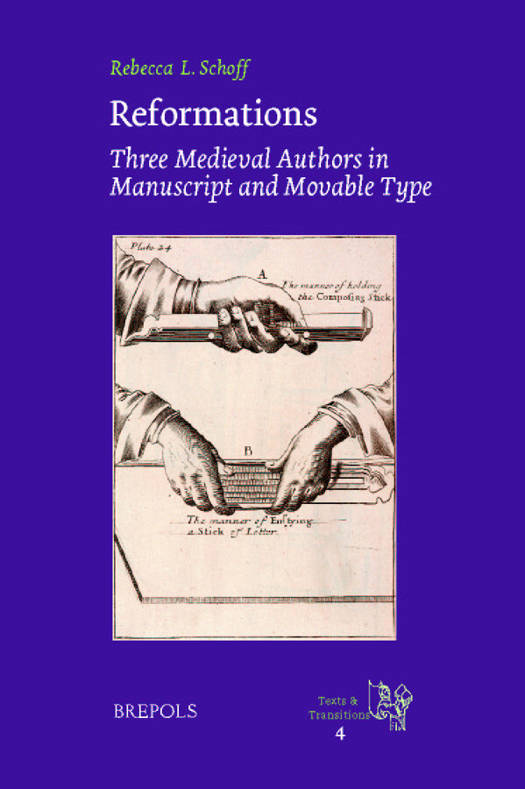
This volume discusses the key shift from manuscript to print culture in the history of books, taking The Canterbury Tales, The Book of Margery Kempe, and Piers Plowman as models of the way in which a medieval text's unique tradition influenced its transition from manuscript to print. The forces of the Reformation era did not produce the same effect across the varied textual legacy of the Middle Ages. Every text that made the transition from manuscript to print brought with it a set of concerns, a tendency to address a particular readership in particular ways, a physical presence developed in manuscript culture, all of which might shape the pathways by which a text might arrive in print, and what it might look like when it got there. This study follows The Canterbury Tales, The Book of Margery Kempe, and Piers Plowman from their circulation in manuscript to their presentation in print, in order to track how each of them survived the metamorphosis of the relationship between writers and readers as the new technology was introduced. Taken together, the three case studies demonstrate to scholars of any medieval literature the variety of possible impacts made when texts composed in manuscript culture were prepared for printing. The great force exerted by the technological and cultural developments of the English Reformation, not least the more centralized legislative regulation of the press, has long been central to the study of the history of books. This volume takes into account the ways in which individual textual traditions pushed back or accelerated the forces of early modern reform, producing their own plural reformations.
Specificaties
Betrokkenen
- Auteur(s):
- Uitgeverij:
Inhoud
- Aantal bladzijden:
- 247
- Taal:
- Engels
- Reeks:
- Reeksnummer:
- nr. 4
Eigenschappen
- Productcode (EAN):
- 9782503523163
- Verschijningsdatum:
- 23/01/2008
- Uitvoering:
- Hardcover
- Formaat:
- Genaaid
- Afmetingen:
- 172 mm x 243 mm
- Gewicht:
- 598 g


Alleen bij Standaard Boekhandel
+ 137 punten op je klantenkaart van Standaard Boekhandel
Cadeau

AANGERADEN


Beoordelingen
We publiceren alleen reviews die voldoen aan de voorwaarden voor reviews. Bekijk onze voorwaarden voor reviews.