



Je cadeautjes zeker op tijd in huis hebben voor de feestdagen? Kom langs in onze winkels en vind het perfecte geschenk!
- Afhalen na 1 uur in een winkel met voorraad
- Gratis thuislevering in België vanaf € 30
- Ruim aanbod met 7 miljoen producten
Je cadeautjes zeker op tijd in huis hebben voor de feestdagen? Kom langs in onze winkels en vind het perfecte geschenk!
- Afhalen na 1 uur in een winkel met voorraad
- Gratis thuislevering in België vanaf € 30
- Ruim aanbod met 7 miljoen producten





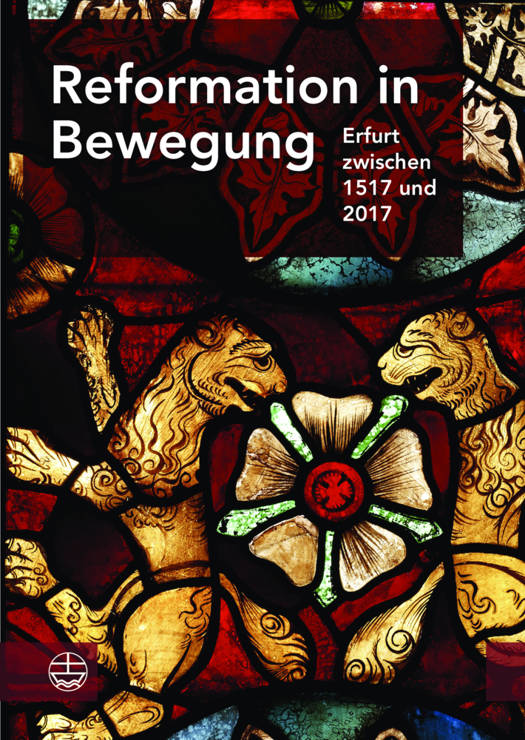
Reformation in Bewegung
Erfurt Zwischen 1517 Und 2017. Eine Erfurter Festgabe Zum 500. Gedenkjahr Der Reformation
Evangelische Verlagsanstalt
Hardcover | Duits
€ 52,95
+ 105 punten
Omschrijving
On November 11, 1517, Martin Luther sends his 95 Theses on the practice of indulgences to Johannes Lang, the prior of the Black Cloister of the Augustinian Hermits in Erfurt. Lang disseminates the theses in the city of Erfurt: students, teachers, citizens, monks and priests fiercely debate them. Protestant Christians experience an increased influx. In 1530, the Compact of Hammelburg is enacted, which enables both newly converted Protestants and those remaining Roman Catholics holding onto the 'old beliefs' - who are under the protection of the Archbishop of Mainz - to live out their faith side by side. This has been in effect for 500 years. In this historically very interesting book, the Erfurt Conference of the Evangelical Church in Central Germany opens a door into the current theological thinking of Protestant and Roman Catholic Christians 500 years after Luther's nailing of the 95 Theses. Historic topics are brought into focus: being a Christian in the time of the Nazi Germany, during the GDR, and after the Peaceful Revolution of 1989. The emphasis of this work is: what does it mean to be a Protestant Christian following in the footsteps of the Erfurt reformers while remaining situated in an ecumenically broad, and at the same time, extremely secularized context. This work invites the reader to discover, affirm, and embark in new directions all under the rubric: ecclesia Christi semper reformanda - the church of Christ always reforming.
Specificaties
Betrokkenen
- Auteur(s):
- Uitgeverij:
Inhoud
- Aantal bladzijden:
- 304
- Taal:
- Duits
Eigenschappen
- Productcode (EAN):
- 9783374052417
- Verschijningsdatum:
- 1/10/2017
- Uitvoering:
- Hardcover
- Formaat:
- Genaaid
- Afmetingen:
- 135 mm x 188 mm
- Gewicht:
- 344 g


Alleen bij Standaard Boekhandel
+ 105 punten op je klantenkaart van Standaard Boekhandel
CADEAU


Beoordelingen
We publiceren alleen reviews die voldoen aan de voorwaarden voor reviews. Bekijk onze voorwaarden voor reviews.