


- Afhalen na 1 uur in een winkel met voorraad
- Gratis thuislevering in België vanaf € 30
- Ruim aanbod met 7 miljoen producten
- Afhalen na 1 uur in een winkel met voorraad
- Gratis thuislevering in België vanaf € 30
- Ruim aanbod met 7 miljoen producten





€ 33,95
+ 67 punten
Omschrijving
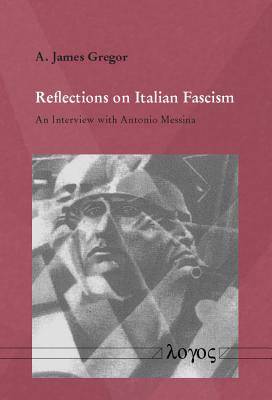
Are we witnessing the return of fascism? The recent shift to the political right across the globe has prompted many to announce the renewed rise of a political ideology that most thought overcome with World War II. Jihadists, anti-Jihadists, perpetrators of isolated acts of terrorism, politicians using hate-speech -- suddenly all of these are frequently and indiscriminately labelled as 'fascist' by the media and in public discourse. 'Fascism' has become an inextricable part of our everyday vocabulary, and in the process has been reduced to an all but entirely emotive term with little, if any, substance. In this timely, much-needed intervention, one of the world's leading experts on fascism disentangles the confusion this misuse causes. Retracing the sometimes obscure passage of fascism from one time to another, A. James Gregor reclaims the term and shows how it has shaped the global political landscape over more than half a century. Captivating, informative, and urgent, Gregor's insightful account helps to clarify the history of radical politics in the last 60 years.
Specificaties
Betrokkenen
- Auteur(s):
- Uitgeverij:
Inhoud
- Aantal bladzijden:
- 134
- Taal:
- Engels
Eigenschappen
- Productcode (EAN):
- 9783832541828
- Verschijningsdatum:
- 16/01/2016
- Uitvoering:
- Paperback
- Formaat:
- Trade paperback (VS)
- Afmetingen:
- 130 mm x 188 mm
- Gewicht:
- 136 g


Alleen bij Standaard Boekhandel
+ 67 punten op je klantenkaart van Standaard Boekhandel
Wedstrijd


Beoordelingen
We publiceren alleen reviews die voldoen aan de voorwaarden voor reviews. Bekijk onze voorwaarden voor reviews.