


- Afhalen na 1 uur in een winkel met voorraad
- Gratis thuislevering in België vanaf € 30
- Ruim aanbod met 7 miljoen producten
- Afhalen na 1 uur in een winkel met voorraad
- Gratis thuislevering in België vanaf € 30
- Ruim aanbod met 7 miljoen producten





€ 203,95
+ 407 punten
Uitvoering
Omschrijving
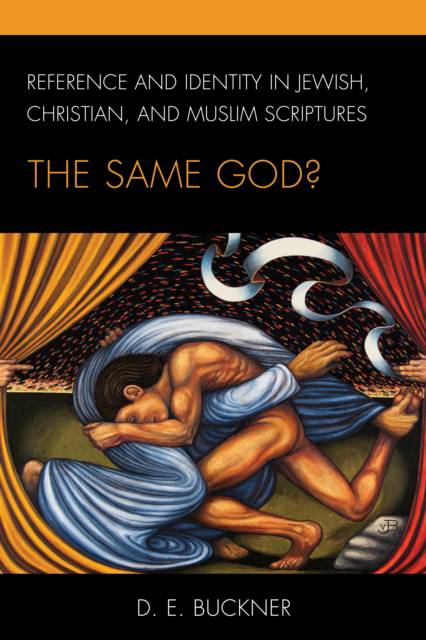
In Reference and Identity in Jewish, Christian, and Muslim Scriptures: The Same God?, D. E. Buckner argues that all reference is story-relative. We cannot tell which historical individual a person is talking or writing about or addressing in prayer without familiarity with the narrative (oral or written) which introduces that individual to us, so we cannot understand reference to God, nor to his prophets, nor to any other character mentioned in the Jewish, Christian, or Muslim scriptures, without reference to those very scriptures. In this context we must understand God as the person who "walked in the garden in the cool of the day" (Gen. 3:8), and who is continuously referred to in the books of the Hebrew Bible and New Testament, as well as the Quran. Further developing ideas presented by the late Fred Sommers in his seminal The Logic of Natural Language, Buckner argues that singular reference and singular conception is empty outside such a context.
Specificaties
Betrokkenen
- Auteur(s):
- Uitgeverij:
Inhoud
- Aantal bladzijden:
- 246
- Taal:
- Engels
- Reeks:
Eigenschappen
- Productcode (EAN):
- 9781498587419
- Verschijningsdatum:
- 8/07/2020
- Uitvoering:
- Hardcover
- Formaat:
- Genaaid
- Afmetingen:
- 152 mm x 229 mm
- Gewicht:
- 530 g


Alleen bij Standaard Boekhandel
+ 407 punten op je klantenkaart van Standaard Boekhandel
Cadeau

AANGERADEN


Beoordelingen
We publiceren alleen reviews die voldoen aan de voorwaarden voor reviews. Bekijk onze voorwaarden voor reviews.