


- Afhalen na 1 uur in een winkel met voorraad
- Gratis thuislevering in België vanaf € 30
- Ruim aanbod met 7 miljoen producten
- Afhalen na 1 uur in een winkel met voorraad
- Gratis thuislevering in België vanaf € 30
- Ruim aanbod met 7 miljoen producten





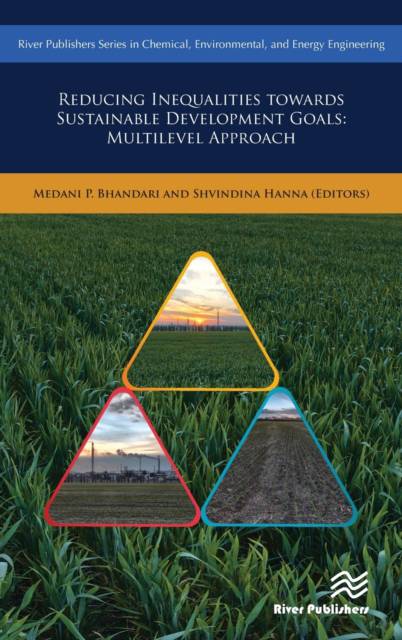
Reducing Inequalities Towards Sustainable Development Goals
Multilevel Approach
Medani P Bhandari
Hardcover | Engels
€ 198,45
+ 396 punten
Omschrijving
The Sustainable Development Goals (SDGs) are a set of global goals that meet some of the most pressing challenges facing our world today. Goal 10 concerns reducing global inequalities. Inequality is currently seen in the social, political, and economic structures of communities at both the national and international level. The United Nation's approach to sustainable development is to create a set of goals and targets try to minimize the accelerating gaps of inequality. The book presents new insights for evaluating the progress on SDGs (especially goal 10), it also boldly sets new economic, social and environmental targets for reducing inequality. Using case studies, this book encourages readers to view economic development through the lens of growing inequalities and disparities. Such inequalities are clearly becoming more obvious as the world is better connected, and information is quickly shared. The books main aim is therefore to direct the efforts of scholars, practitioners and policymakers to swiftly find the balance between the three pillars of sustainable development. The main challenges and focus of each chapter are different and collectively they give an integrated understanding of the phenomenon of sustainable development and its diverse aspects. This book will be useful for policymakers, social and environmental activists, agencies, educators and practitioners in the sphere of social or environmental economics. The methodology of the research can be replicated and taken forward by future researchers in the field.
Specificaties
Betrokkenen
- Auteur(s):
- Uitgeverij:
Inhoud
- Aantal bladzijden:
- 340
- Taal:
- Engels
Eigenschappen
- Productcode (EAN):
- 9788770221269
- Verschijningsdatum:
- 30/09/2019
- Uitvoering:
- Hardcover
- Formaat:
- Genaaid
- Afmetingen:
- 160 mm x 236 mm
- Gewicht:
- 616 g


Alleen bij Standaard Boekhandel
+ 396 punten op je klantenkaart van Standaard Boekhandel

Beoordelingen
We publiceren alleen reviews die voldoen aan de voorwaarden voor reviews. Bekijk onze voorwaarden voor reviews.