


- Afhalen na 1 uur in een winkel met voorraad
- Gratis thuislevering in België vanaf € 30
- Ruim aanbod met 7 miljoen producten
- Afhalen na 1 uur in een winkel met voorraad
- Gratis thuislevering in België vanaf € 30
- Ruim aanbod met 7 miljoen producten





€ 148,40
+ 296 punten
Omschrijving
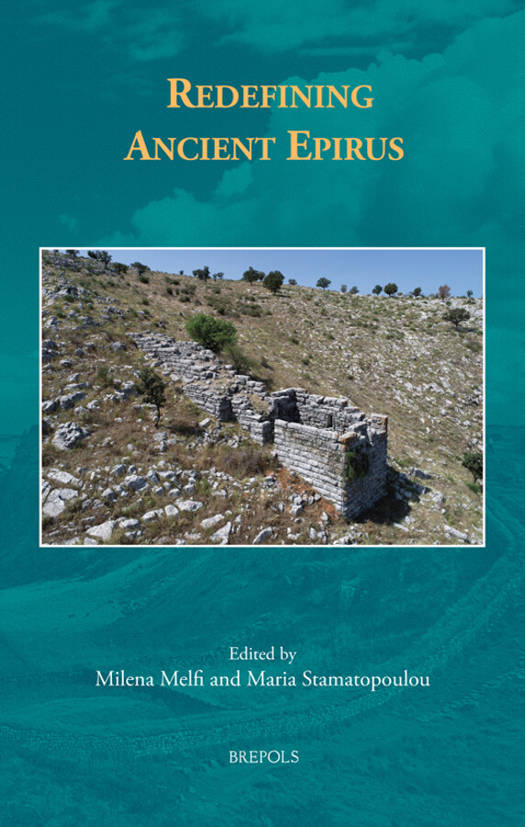
Ancient Epirus, 'the Mainland' of the Odyssey, has meant different things at different times. Covering a region that today spans parts of south Albania and north-west Greece, Epirus was an important crossroad in antiquity, a meeting place of different peoples and cultures. Yet while the history of the region is well-known, thanks to a combination of historical studies and major Greek myths, its archaeology has remained relatively little studied. Now, derived from a larger project based at Oxford University entitled 'Beyond the Borders', this volume for the first time offers a reliable and up-to-date account of the archaeology of Epirus. The contributions gathered here, written by some of the most influential international scholars currently involved in archaeological research in Epirus, aim to offer a balanced synthesis of the different cultural and historical phenomena at play in the region. Chapters span the Archaic period to Roman Imperial times, and starting from the material record, touch upon a wide range of subjects: landscape studies, urbanization, fortifications and defence, ritual, sanctuaries, burial practices, relationships between mother cities and colonies, and borders and borderlands. Through this approach, the volume effectively moves Epirus from the border to the centre of the map of current archaeo-historical research, as well as offering a starting point for further historical investigations in the field.
Specificaties
Betrokkenen
- Auteur(s):
- Uitgeverij:
Inhoud
- Aantal bladzijden:
- 283
- Taal:
- Engels
- Reeks:
- Reeksnummer:
- nr. 5
Eigenschappen
- Productcode (EAN):
- 9782503581484
- Verschijningsdatum:
- 2/01/2025
- Uitvoering:
- Paperback
- Formaat:
- Trade paperback (VS)
- Afmetingen:
- 216 mm x 280 mm
- Gewicht:
- 104 g


Alleen bij Standaard Boekhandel
+ 296 punten op je klantenkaart van Standaard Boekhandel
CADEAU

AANGERADEN


Beoordelingen
We publiceren alleen reviews die voldoen aan de voorwaarden voor reviews. Bekijk onze voorwaarden voor reviews.