


- Afhalen na 1 uur in een winkel met voorraad
- Gratis thuislevering in België vanaf € 30
- Ruim aanbod met 7 miljoen producten
- Afhalen na 1 uur in een winkel met voorraad
- Gratis thuislevering in België vanaf € 30
- Ruim aanbod met 7 miljoen producten





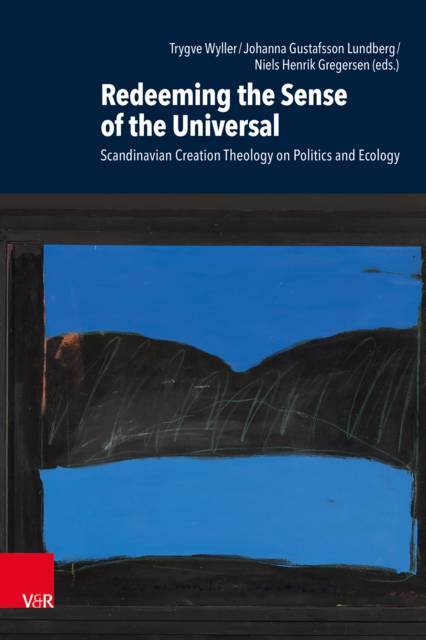
Redeeming the Sense of the Universal
Scandinavian Creation Theology on Politics and Ecology
€ 78,95
+ 157 punten
Omschrijving
Christian theologies today struggle to make themselves relevant and respected in public discussions. One reason is a tendency among theologians to restrict themselves to discussions among their own. In this way they seldom contribute to discussions and make claims that are heard as important for people not belonging to the world of faith and piety. This volume has a different goal. The intention is to bring updated and critical contributions to how theology can give substantial reflections relevant to a broader public. The volume takes its starting point from ongoing international discussions on the universal. From post-colonial and post-liberal positions one claim that universal claims are oppressive. There is a long history of how universal pretentions covered for white, male and European supremacy. For this reason one argues that only positionalities from particular position are able to give hope and future to oppressed people and environmental collapses. The contributions to this volume agree that there are toxic universalities that need to be strongly criticized. There are, however, also universalities that can defend the human and the nature. Scandinavian Creation Theology builds these universalities from life as given and pre-theoretical experiences. Here, there are potentialities for future non-toxic universalities.
Specificaties
Betrokkenen
- Uitgeverij:
Inhoud
- Aantal bladzijden:
- 342
- Taal:
- Engels
- Reeks:
- Reeksnummer:
- nr. 39
Eigenschappen
- Productcode (EAN):
- 9783525568743
- Verschijningsdatum:
- 18/11/2024
- Uitvoering:
- Hardcover
- Formaat:
- Genaaid
- Afmetingen:
- 154 mm x 230 mm
- Gewicht:
- 1215 g

Alleen bij Standaard Boekhandel
+ 157 punten op je klantenkaart van Standaard Boekhandel
Cadeau

AANGERADEN


Beoordelingen
We publiceren alleen reviews die voldoen aan de voorwaarden voor reviews. Bekijk onze voorwaarden voor reviews.