


- Afhalen na 1 uur in een winkel met voorraad
- Gratis thuislevering in België vanaf € 30
- Ruim aanbod met 7 miljoen producten
- Afhalen na 1 uur in een winkel met voorraad
- Gratis thuislevering in België vanaf € 30
- Ruim aanbod met 7 miljoen producten





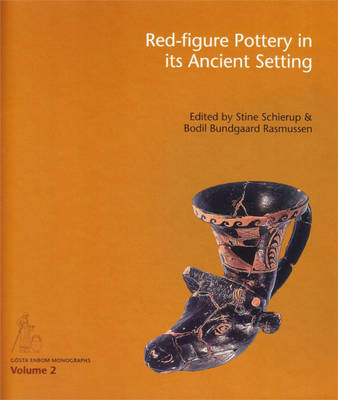
Red-Figure Pottery in Its Ancient Setting
€ 50,95
+ 101 punten
Omschrijving
What happened when Athenian pottery reached other cultural contexts and was absorbed into indigenous communities around or outside Greece? How did the various contexts influence the adaption of Athenian iconography and does the setting add to an understanding of how Athenian iconographic themes were altered or absorbes as they entered into new cultural contexts? To highlight these interpretative challenges the National Museum of Denmark in 2009 stages the colloquium "Red-figure Pottery in its Ancient Setting" and invited a group of specialists to present cases from within their areas of research which would serve to enhance our understanding of the great range of the character and value of red-figure pottery and its imagery whether in local Greek, a colonial Greek, en Etruscan or any other indigenous community. The various cases presented in these proceedings of the colloquium clearly demonstrate that this approach to the study of Greek pottery and its imagery has much to offer.
Specificaties
Betrokkenen
- Uitgeverij:
Inhoud
- Aantal bladzijden:
- 180
- Taal:
- Engels
- Reeks:
- Reeksnummer:
- nr. 2
Eigenschappen
- Productcode (EAN):
- 9788771240511
- Verschijningsdatum:
- 22/05/2012
- Uitvoering:
- Hardcover
- Formaat:
- Genaaid
- Afmetingen:
- 226 mm x 246 mm
- Gewicht:
- 839 g

Alleen bij Standaard Boekhandel
+ 101 punten op je klantenkaart van Standaard Boekhandel
AANGERADEN


Beoordelingen
We publiceren alleen reviews die voldoen aan de voorwaarden voor reviews. Bekijk onze voorwaarden voor reviews.